
A Visit To Far-Away But Breathtaking Dutch Harbor
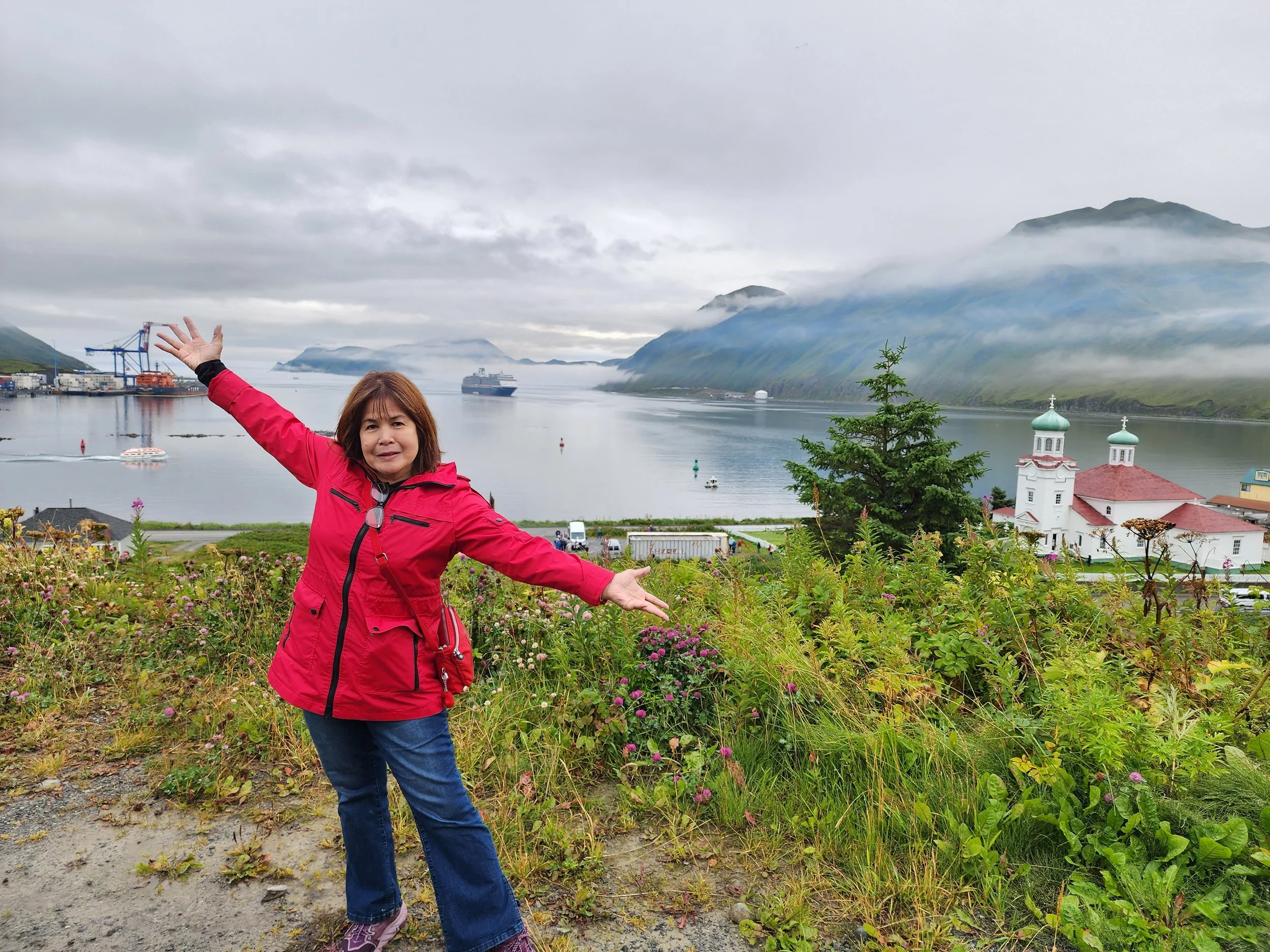
Dutch Harbor in Alaska could be described as history historic, scenic and important to World War II. It’s pretty spectacular.
UNALASKA/ PORT OF DUTCH HARBOR
ABOUT UNALASKA (UNANGAM TUNUU: ILUULUXˆ)
Situated between the Pacific Ocean to the south and the Bering Sea to the north, the Aleutian Island community of Unalaska is rich in history, and for over 20 years has been the top commercial fishing port in the country.
Unalaska, home to the Port of Dutch Harbor, sits in the heart of the North Pacific and Bering Sea fisheries. The city of Unalaska is on the northern end of Unalaska Island, the second largest island in the Aleutian Chain, 800 miles southwest of Anchorage. World War II history, cultural opportunities, and beautiful scenery draw people to Unalaska/Dutch Harbor. The island provides many outdoor activities including hiking, sportfishing, kayaking, and birding. Dutch Harbor is the main delivery port for the crab fleet featured on the Discovery Channel’s reality show “The Deadliest Catch.”
HISTORY of Unalaska / Dutch Harbor
Unalaska’s earliest known inhabitants, the Unangan people have continuously occupied these islands for thousands of years. Unalaska was established as the first headquarters for the Russian-American Fur Company and cornerstone for the lucrative sea otter fur trade in the early 1820s.
Its status as the only natural deep-water port in the Aleutians has made it an important port since the 18th century when the Russian fur traders first sailed here. After WWII, the king crab fishery in the Bering Sea began to develop and the first crab processing plants opened in Unalaska in the 1960s, starting the community’s evolution from a quiet village of 400 people to a busy and prosperous port town of approximately 4,000. In the mid-1980s, the current pollock/Pacific cod fisheries began to build large processing plants in Unalaska and are now the nation’s largest and most valuable fishery.
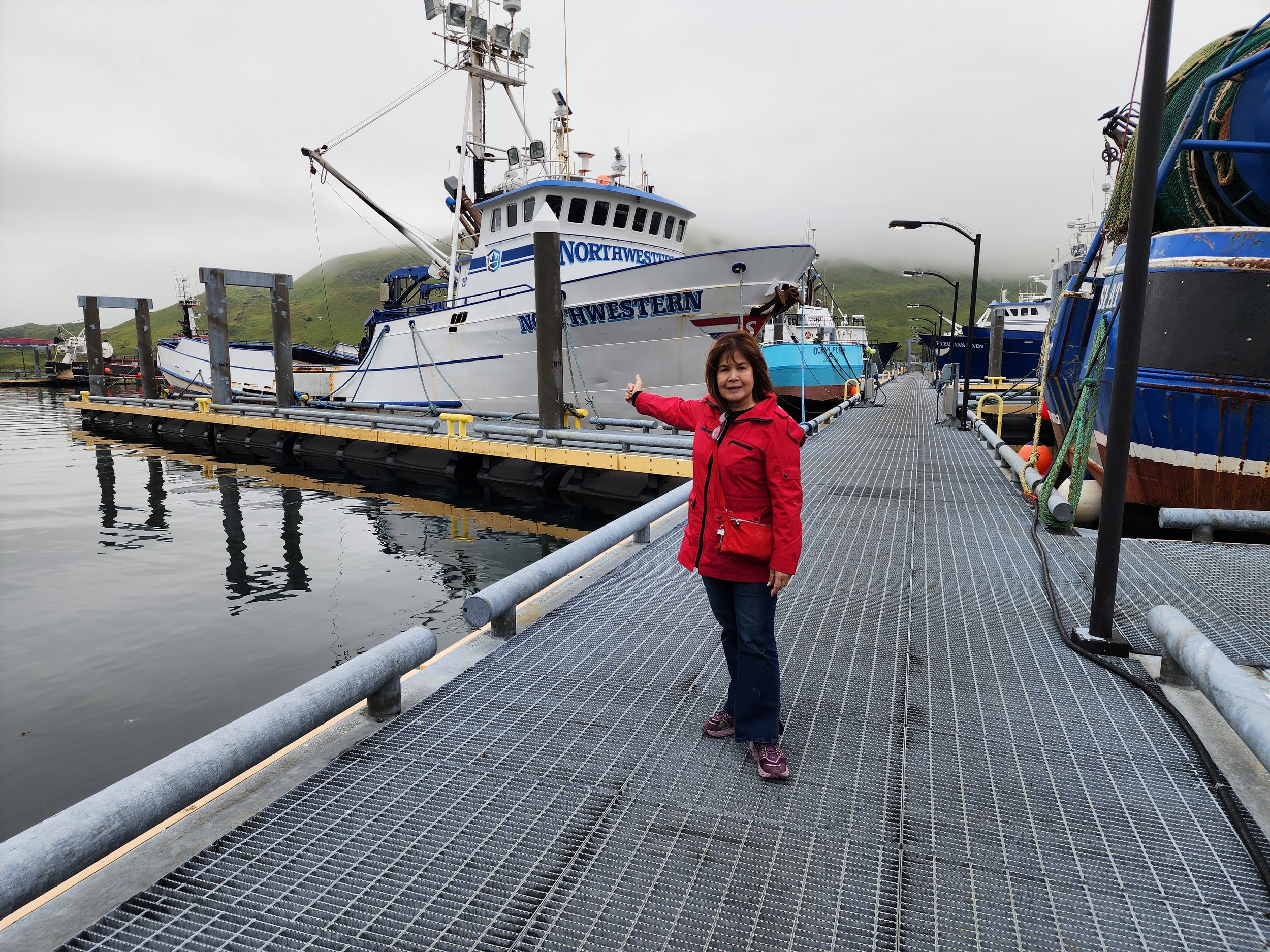
To date the Northwestern is the only vessel to have featured on all 20 seasons of Deadliest Catch as well as the pilot series America's Deadliest Season.
THINGS TO DO IN UNALASKA /DUTCH HARBOR
RUSSIAN ORTHODOX CATHEDRAL
Unalaska’s most prominent landmark, the Russian Orthodox Cathedral of the Holy Ascension of Christ, completed in 1896, is the oldest cruciform-style cathedral in North America and the oldest Russian-built church still standing in Alaska. Overlooking the bay, the church is a favorite for photographers. The church contains almost 700 pieces of art, ranging from Russian Orthodox icons and books to the largest collection of 19th-century paintings in Alaska.
Adjacent to the Church of the Holy Ascension is a small graveyard, where the largest grave marker belongs to Baron Nicholas Zass. Born in 1825 in Archangel, Russia, he eventually became bishop of the Aleutian Islands and all of Alaska before his death in 1882. Next door to the graveyard is the Bishop's House.
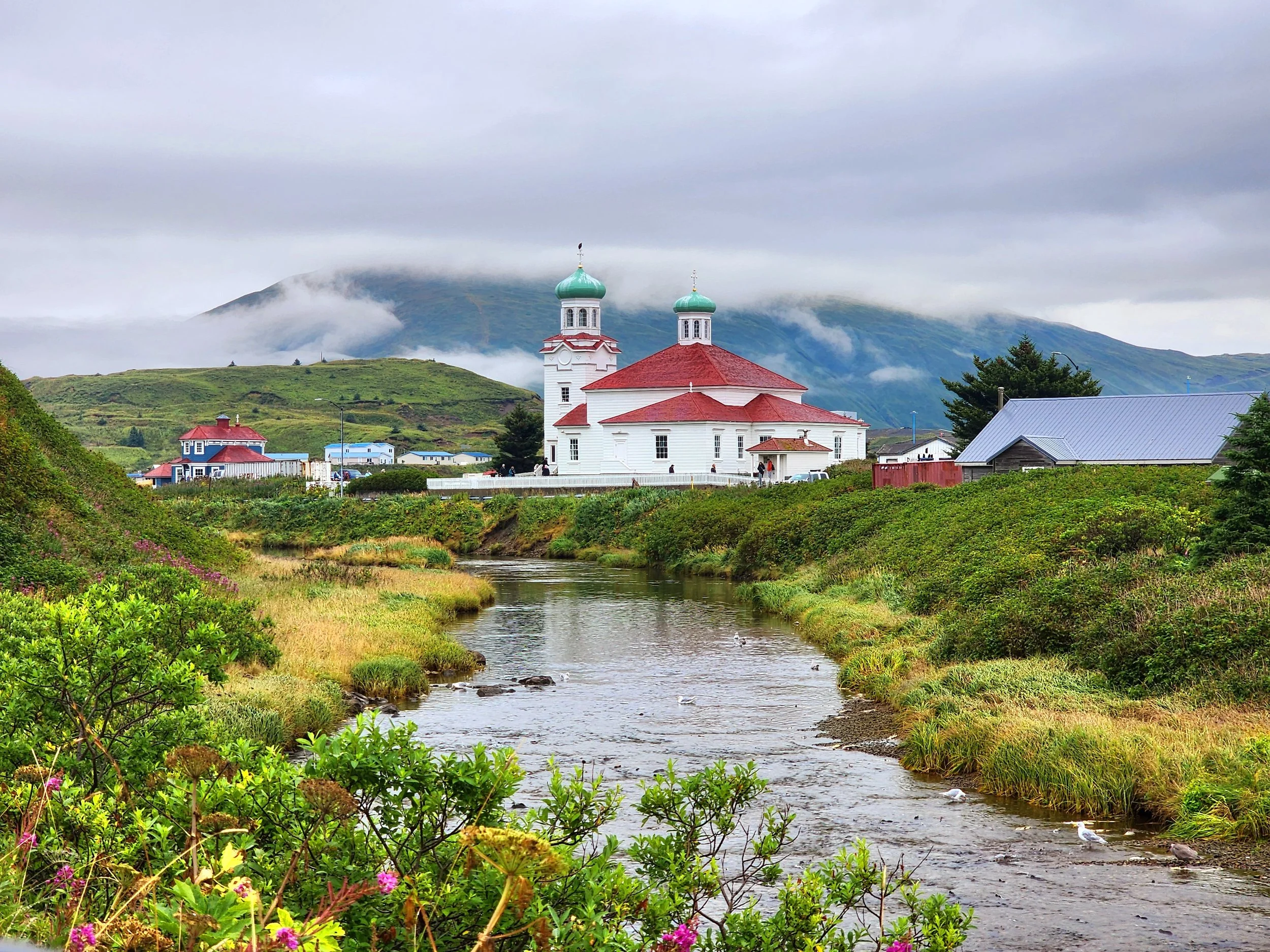
The Holy Ascension Orthodox Church is a prominent landmark in Unalaska, the major community of the western Aleutian Islands in southwestern Alaska.
MUSEUMS & WWII HISTORICAL SITES
The impact of WWII in the Aleutians remains one of the most visible features that dot this remote landscape today. Quonset huts, barracks, concrete bunkers, and former gun emplacements provide visitors with a unique opportunity to explore this part of United States history. Less visible but not less important was the war’s impact on the Alaska Native residents of the region, who were relocated from the islands after the June 1942 bombing by the Japanese.
Dedicated to the 'Forgotten War' is the Visitor Center at the Aleutian World War II National Historic Area, housed in the original military air control tower built in 1942. Downstairs exhibits relive the Aleutian campaign, including the bombing of Dutch Harbor by the Japanese for two days and the Battle of Attu.
The heart of the Aleutian World War II National Historic Area is Fort Schwatka on Mt Ballyhoo, the highest coastal battery ever constructed in the US. The 1634-foot mountain is behind the airport and towers nearly 1000 feet above the Bering Sea. The fort encompassed more than 100 concrete observation posts, command stations, and other structures built to withstand earthquakes and 100-mph winds. The gun mounts here are still among the best-preserved in the country. The fort utilized tunnels and bunkers that allowed gunners to cart ammunition from one side of the mountain to the other.
Also part of the Aleutian World War II National Historic Area is Bunker Hill, a coastal battery that was fortified with 155mm guns, ammunition magazines, water tanks, 22 Quonset huts, and a concrete command post at the top. You can hike to the peak of Bunker Hill along a gravel road to the view the military artifacts.
The impressive Museum of the Aleutians is one of the best Alaska Native cultural centers in the state. The museum relives the Aleutian story from prehistory and the Russian America period to WWII and present-day. Many of the exhibits focus on the enduring relationship between the Unangan people and the Russian Orthodox Church. Some of the most fascinating displays are the tools, boats, and grass baskets that allowed people to live in such a harsh environment.
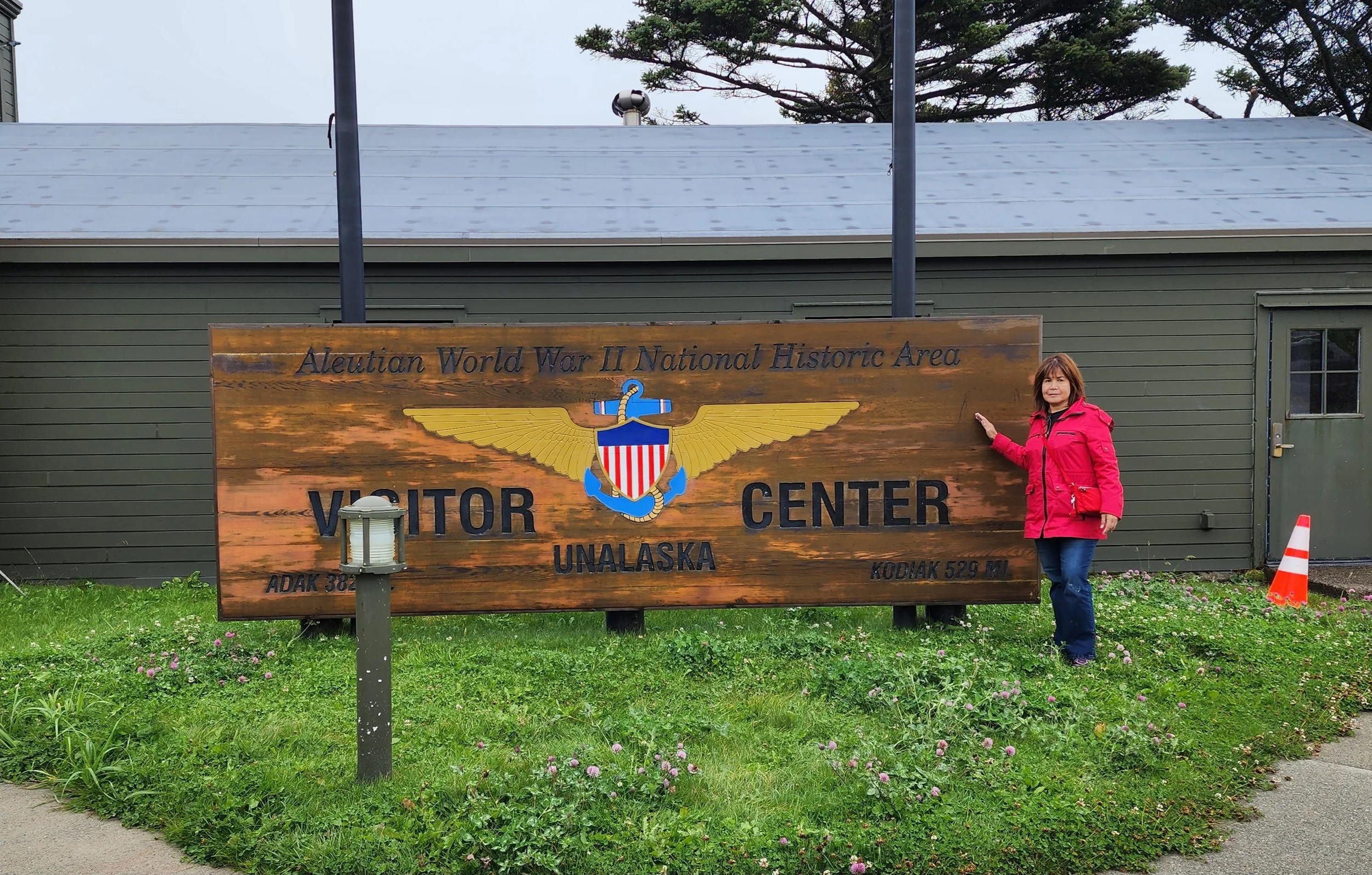
Here, one can learn about the story of the men and women who were stationed in the Aleutians during World War II and the native people who were removed from their homes during the conflict.
Located in a picturesque hillside graveyard is the USS Northwestern Memorial. Launched in 1889, the passenger and freight ship USS Northwestern was retired in 1937, then repaired by the military in 1940 to serve as a floating bunkhouse. It was bombed during the attack on Dutch Harbor and burned for five days. The heart of the memorial is the ship's propeller that was salvaged by divers in 1992 as part of the 50th anniversary of the event.