
Cruising Tracy Arm Fjord
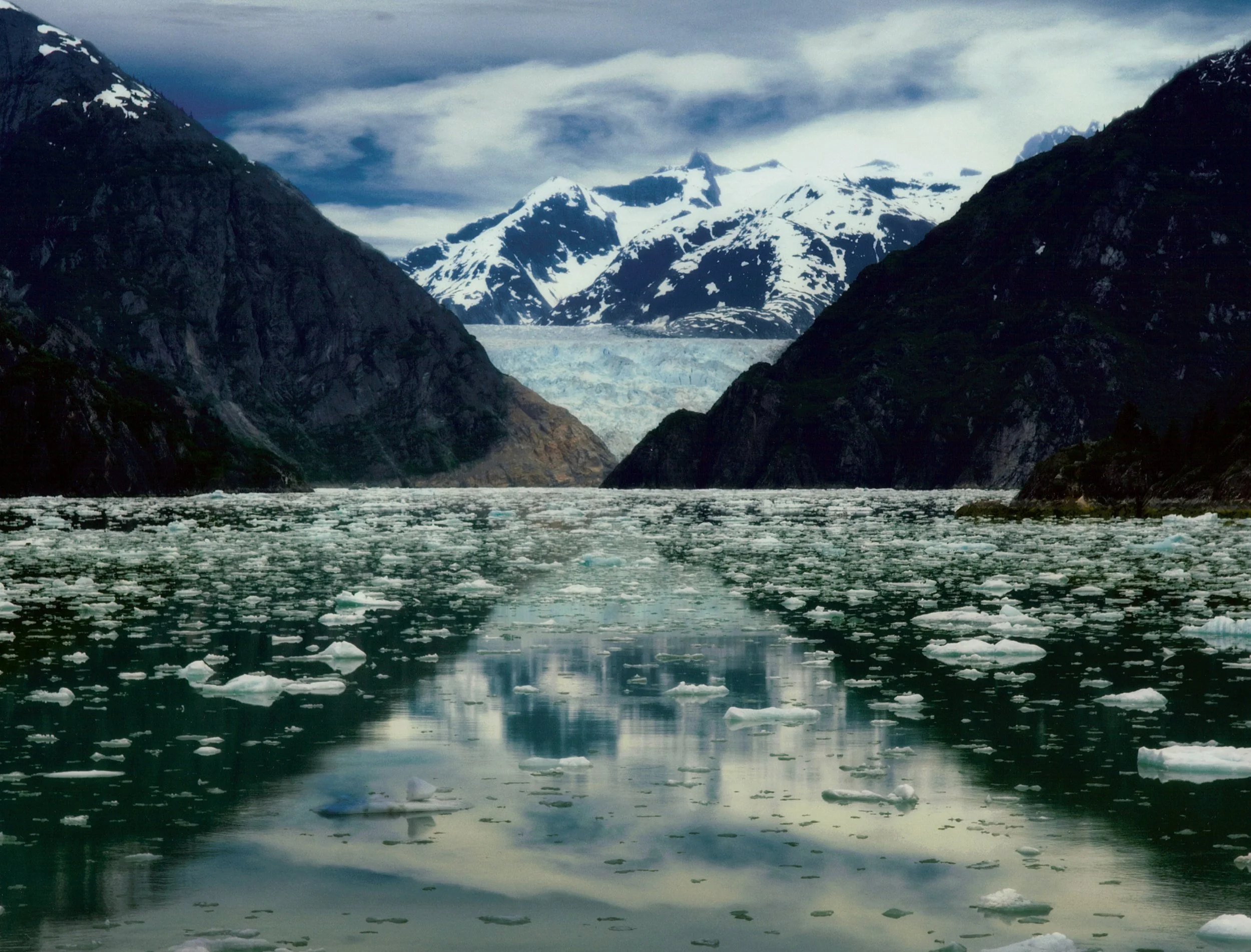
Tracy Arm Fjord is a place of untouched beauty with many picturesque waterfalls, drifting blue icebergs, wildlife and an awe inspiring glacier at the end. Absolutely stunning to visit, there are mountains, glaciers, ravines, snow capped peaks and wildlife.
Tracy Arm Fjord Overview
Tracy Arm Fjord is one of the most spectacular natural wonders in Alaska. Nestled in the Tongass National Forest, it offers stunning views of glacial formations and pristine waters, drawing in nature lovers, photographers, and adventurers alike. The fjord stretches about 30 miles in length and is characterized by its towering granite cliffs, lush forests, and massively blue glaciers. Its two main glaciers, North and South Sawyer Glaciers, are often the primary attractions, and their towering ice forms create an impressive backdrop that enchants visitors.
Tucked away in Tongass National Forest about 45 miles south of Juneau, Tracy Arm boasts some of the most spectacular scenery in North America. This 30-mile fjord, formed centuries ago by glacial activity, is flanked by colossal granite cliffs, with snow-capped mountains looming beyond. Boat cruises, Zodiac expeditions and kayaking adventures lead you past cascading waterfalls and a diversity of wildlife, from goats and whales to brown bears and bald eagles.
The fjord is rich in wildlife, making it a popular spot for those looking to see marine animals. Visitors often catch glimpses of humpback whales, seals, and even eagles soaring high above. The ecological diversity is simply incredible; from the rich forests lining the fjord to the icy depths of the waters below, Tracy Arm is home to countless species of plants and animals.
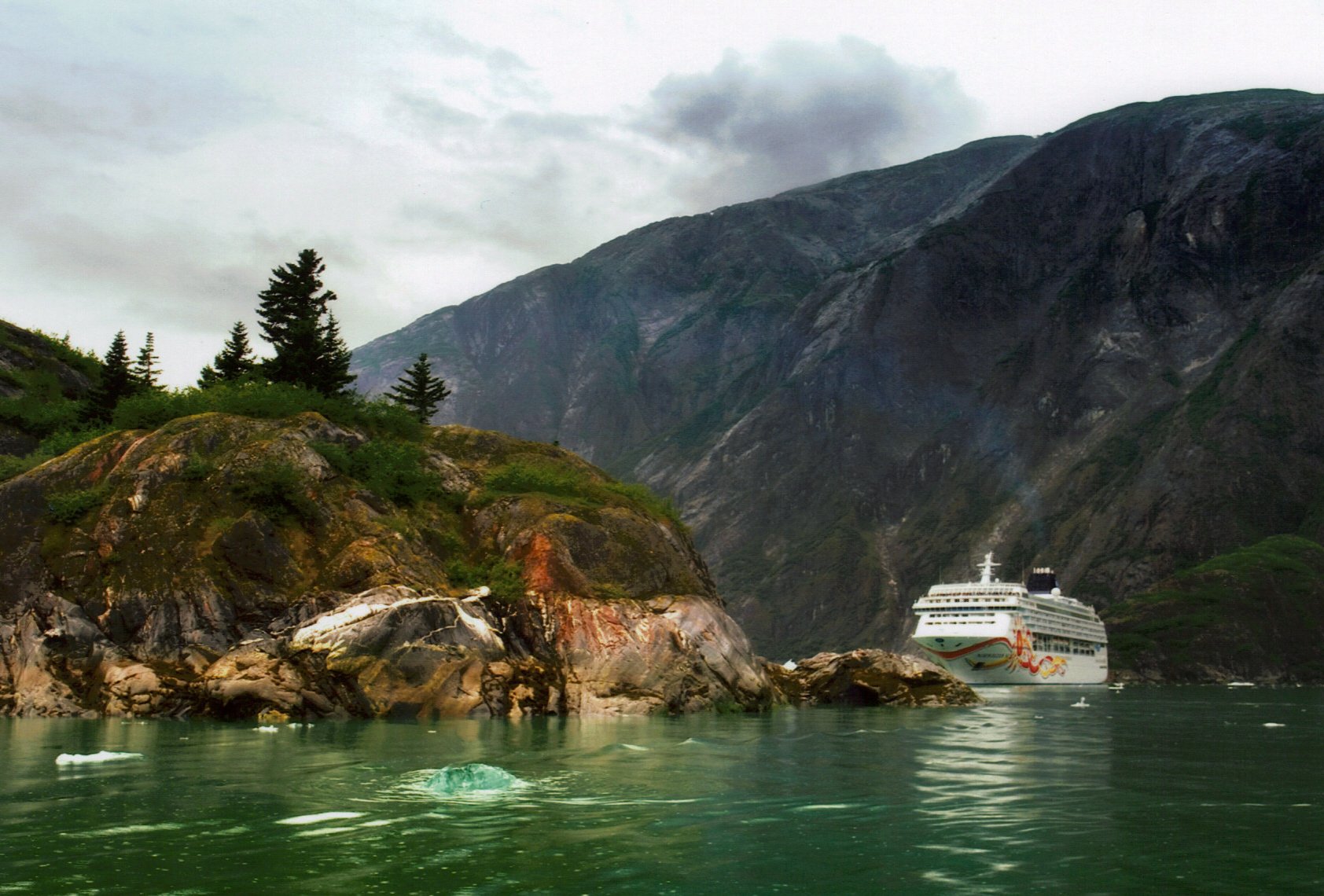
Along most of its length, the fjord is less than a mile wide, and sheer cliffs reach 2,000 feet or more above the icy waters. The maximum charted depth is 1,242 feet.
What is a Fjord?
A fjord is a long and narrow inlet that is typically U-shaped and has steep walls. Fjords are created when a glacier melts, leaving a deep depression in the landscape. The word “fjord” comes from a Norwegian word that means “bay.”
Fjords are found in Norway, Iceland, Greenland, and Alaska. They can be hundreds of miles long and dozens of miles wide. They are often surrounded by snow-capped mountains and lush green valleys.
Fjords usually have a very deep water column that runs thousands of feet below sea level. This high water column results from glacial erosion: the weight of the ice sheet pushing down on the land scrapes away the surface layer of rock, revealing the harder bedrock beneath.
Overview of Tracy Arm
Tracy Arm Fjord (Tracy Arm) is roughly 50 miles from the town of Juneau (halfway between Juneau and Petersburg). The U.S. Congress gave the area protected status in 1980 as the Tracy Arm-Fords Terror Wilderness. The fjord is at the heart of the Tracy Arm-Fords Terror Wilderness Area, which forms part of the Tongass National Forest. The area showcases the spectacular scenery as the fjord’s two narrow arms (Tracy and Endicott) cut through the surrounding mountains.
The arms join at Holkham Bay and eventually flow in Stephens Passage.
Visitor access to Tracy Arm is by boat, including cruise ships, personal vessels, and float planes. The glaciers calve frequently, and approaching them is dangerous, so caution (and a safe distance) is advised.
Tracy Arm Physical Characteristics
The Tracy Arm-Fords Terror Wilderness area covers roughly 653,179 acres (1020.59 square miles). The area is predominantly Alpine (up to 75%). There are several glaciers in the area (20 to 25% of the area is covered in glaciers and snow fields), with a tidewater glacier at each fjord’s head.
Tracy and Endicott Arms run for roughly 30 miles and are bordered by sheer walls on either side. The narrow “corridors” are often blocked by chunks of calved ice, up to the size of three-story buildings.
The wilderness area houses an Alaskan rainforest consisting of spruce and hemlock. Most of this vegetation grows on slopes and plateaus at 1 500 feet.
The water in the fjord is around 600 feet deep. This deep water sustains massive chunks of ice which calve free from the glaciers and form icebergs (some of the largest in Alaska).
Tracy Arm Activities And Points Of Interest
Tracy Arm has an array of fantastic scenery, including the surrounding mountains, waterfalls, green hills, and glaciers.
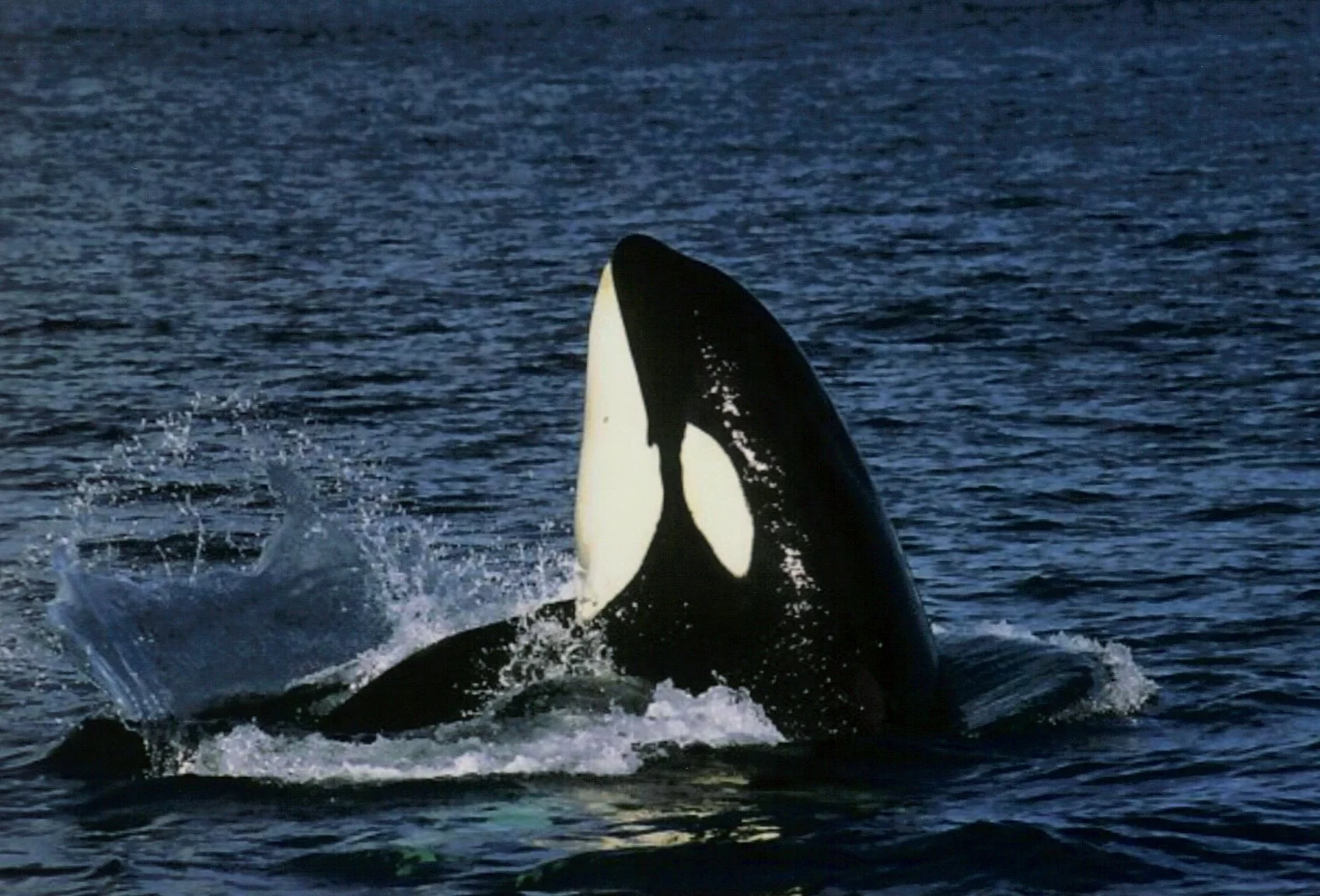
The fjords provides opportunity to observe orca whales as they forage for salmons. You can also see bears, mountains, and a variety of other amazing sights at a safe distance, a cruise through these waters is highly recommended.
The Sawyer Glaciers
There are two Sawyer Glaciers (twins), one in the north and the other in the south. These glaciers are active tidewater glaciers, and cruise ships often cut their engines near the glaciers to listen to the ice breaking while watching enormous chunks break off and land in the ocean.
The North Sawyer Glacier stretches roughly 22 miles through the Coast Mountains into Tracy Arm (in a westerly direction).
The South Sawyer Glacier (located in the east) stretches roughly 33 miles and also runs into Tracy Arm (in a northwesterly direction).
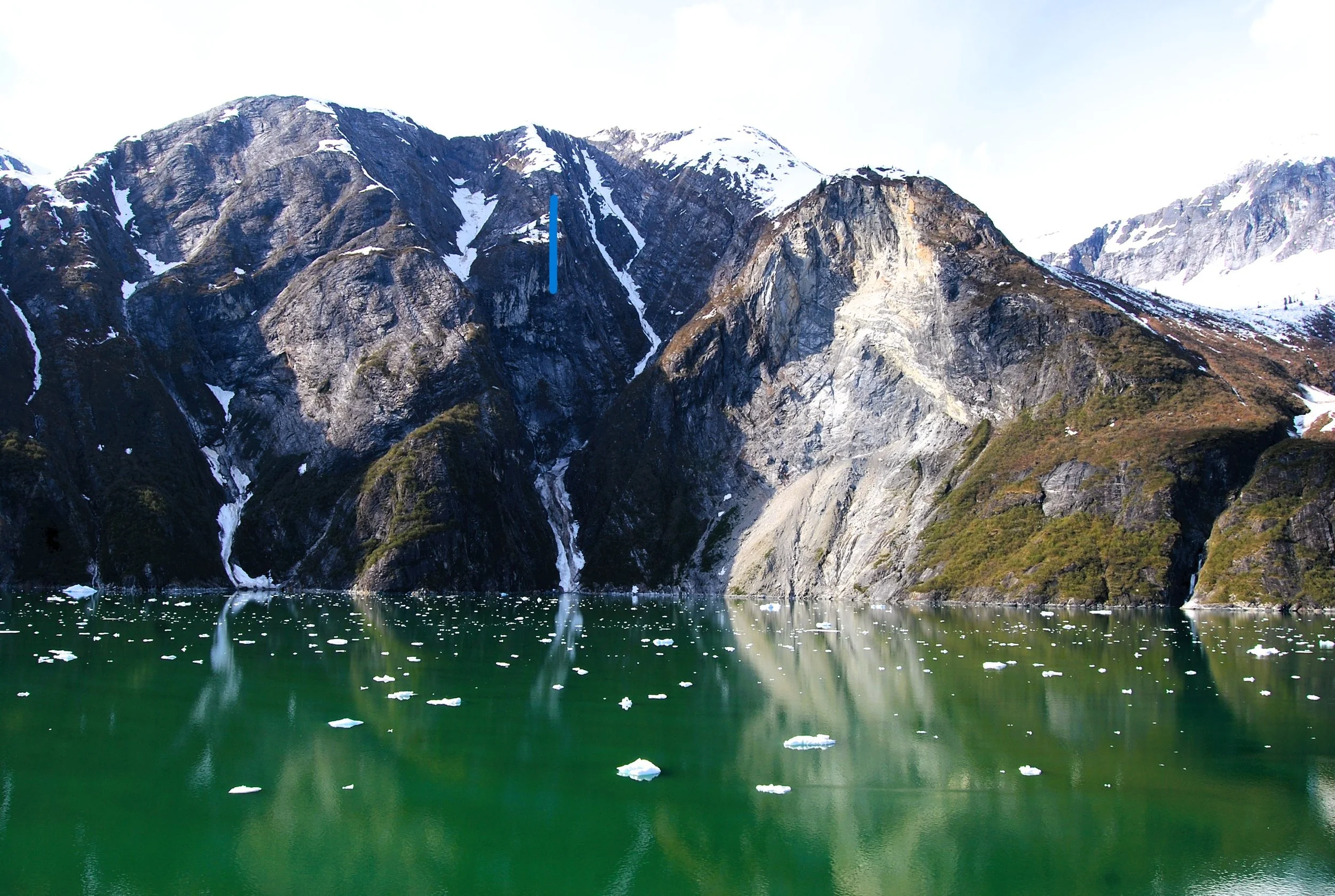
From the deck of your cruise ship, you will see waterfalls cascade down the steep walls of fjords carved from long-ago glaciers.
Other Activities At Tracy Arm While Cruising
Although cruise ships don’t anchor anywhere at Tracy Arm, there are many interesting things to see in the area (aside from the glaciers), including:
Wildlife viewing
Forested mountains and waterfalls
Some cruise ships use smaller boats for closer views of the mountains, tributaries, and glaciers.
Tracy Arm History
In 1899, Ford (a navy crewman) explored the area. During his exploration, he paddled into a narrow channel branching off of Endicott Arm and became trapped by a tidal surge (rip-tide) for six hours.