
Cruising Majestic Hubbard Glacier
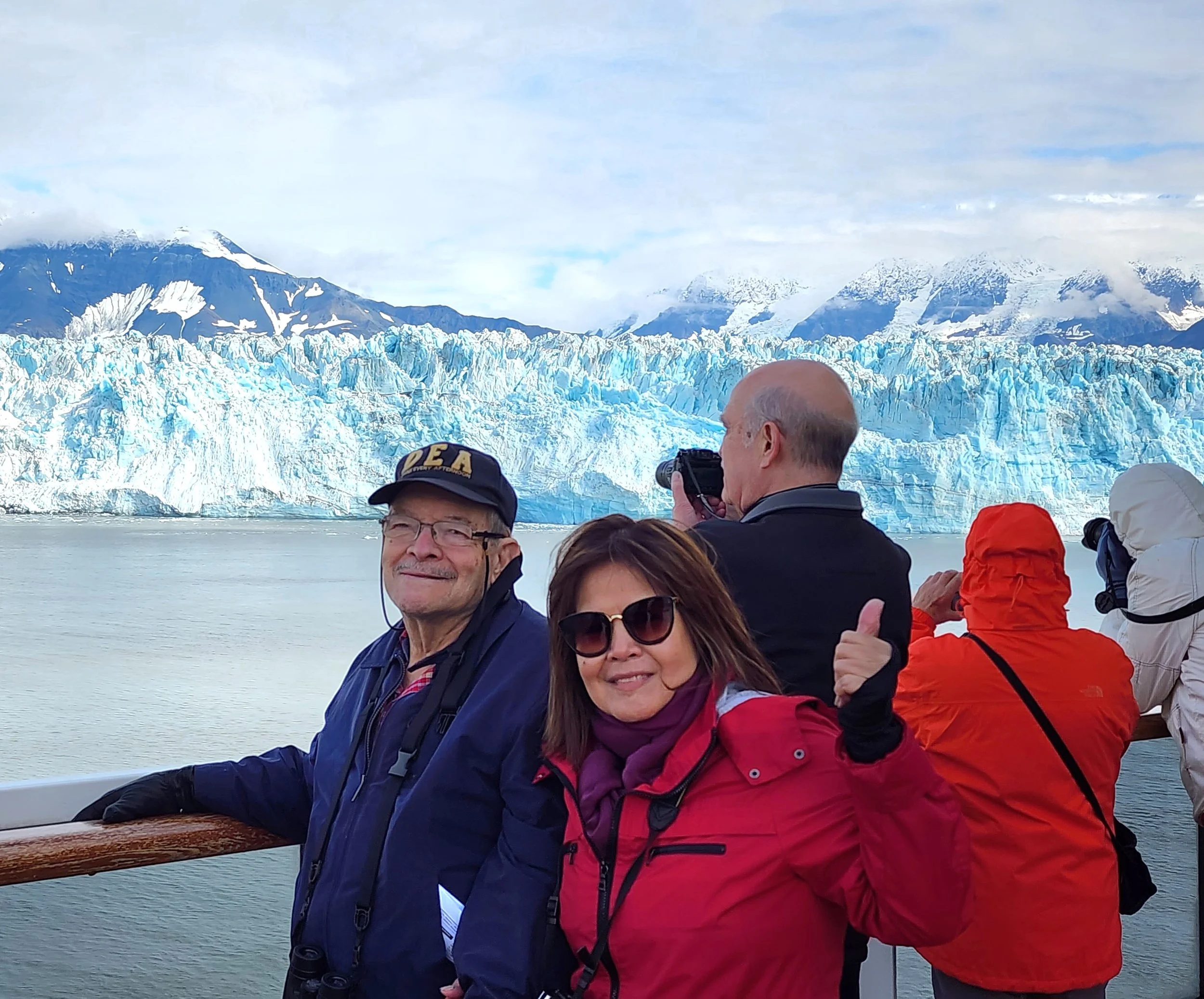
Flowing over 75 miles and calving into the sea with a face 6 miles wide, this glacier near Yakutat is the longest tidewater glacier in North America.
Hubbard Glacier, a magnificent tidewater glacier located in eastern Alaska and part of the Yukon Territory in Canada, is a breathtaking natural wonder. Named after Gardiner Hubbard, the first president of the National Geographic Society, this glacier is known for its impressive size, active calving, and beautiful blue ice.
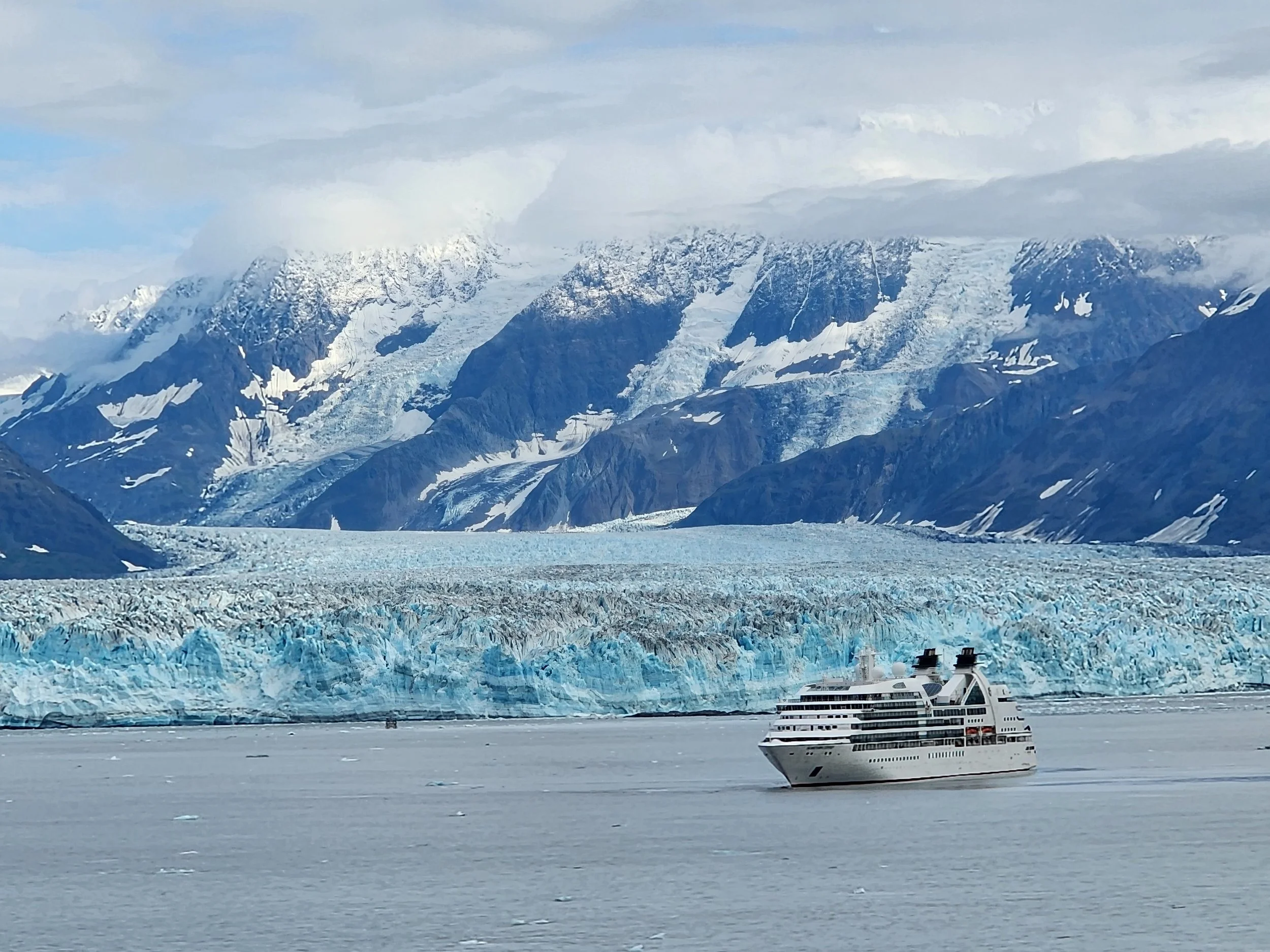
First mapped in 1895, Hubbard is considered the largest tidewater glacier in North America. Hubbard is certainly gigantic: it's more than six miles wide where it meets the ocean.
1. Overview
Hubbard Glacier is a tidewater glacier, meaning it flows from its source in the mountains to the sea, where it calves icebergs into the ocean. Located within the boundaries of Wrangell-St. Elias National Park and Preserve in Alaska and Kluane National Park and Reserve in the Yukon Territory, Hubbard Glacier, offer stunning views and unique opportunities for visitors to witness the power and beauty of nature.
2. Size and Location
Spanning over 76 miles in length, Hubbard Glacier is the longest tidewater glacier in North America. Its face, where the glacier meets the ocean, is approximately 6 miles (10 km) wide. The glacier’s immense size and its location within two national parks make it an awe-inspiring sight for those who have the opportunity to visit.
3. Formation and Growth
Hubbard Glacier was formed through the accumulation and compaction of snow over thousands of years. As the snow accumulates and compresses, it transforms into ice, which flows downhill under the force of gravity. Unlike many glaciers worldwide that are retreating due to climate change, Hubbard Glacier has been thickening and advancing since it was first mapped in the 1890s. This unique behavior is attributed to its large accumulation area and a favorable climate for glacier growth.
4. Calving and Icebergs
Calving is the process of ice breaking off from the face of a glacier, a natural part of a glacier’s life cycle. Hubbard Glacier is known for its active calving, producing numerous icebergs each year. These icebergs can be as large as multiple-storied buildings and can pose a threat to nearby marine traffic.
Notable calving events in Hubbard Glacier’s history include a massive iceberg calving in 1986, which temporarily dammed the Russell Fjord and created a large lake. While most of the world's glaciers are receding, North America's largest tidewater glacier is advancing. Compared to other glaciers that have been receding during the past century, Hubbard is so active that in 2002 the glacier blocked Russel Fjord for two and a half months! The glacier calves frequently, meaning that large chunks of ice break off from its face and plunge into the water below, creating icebergs.
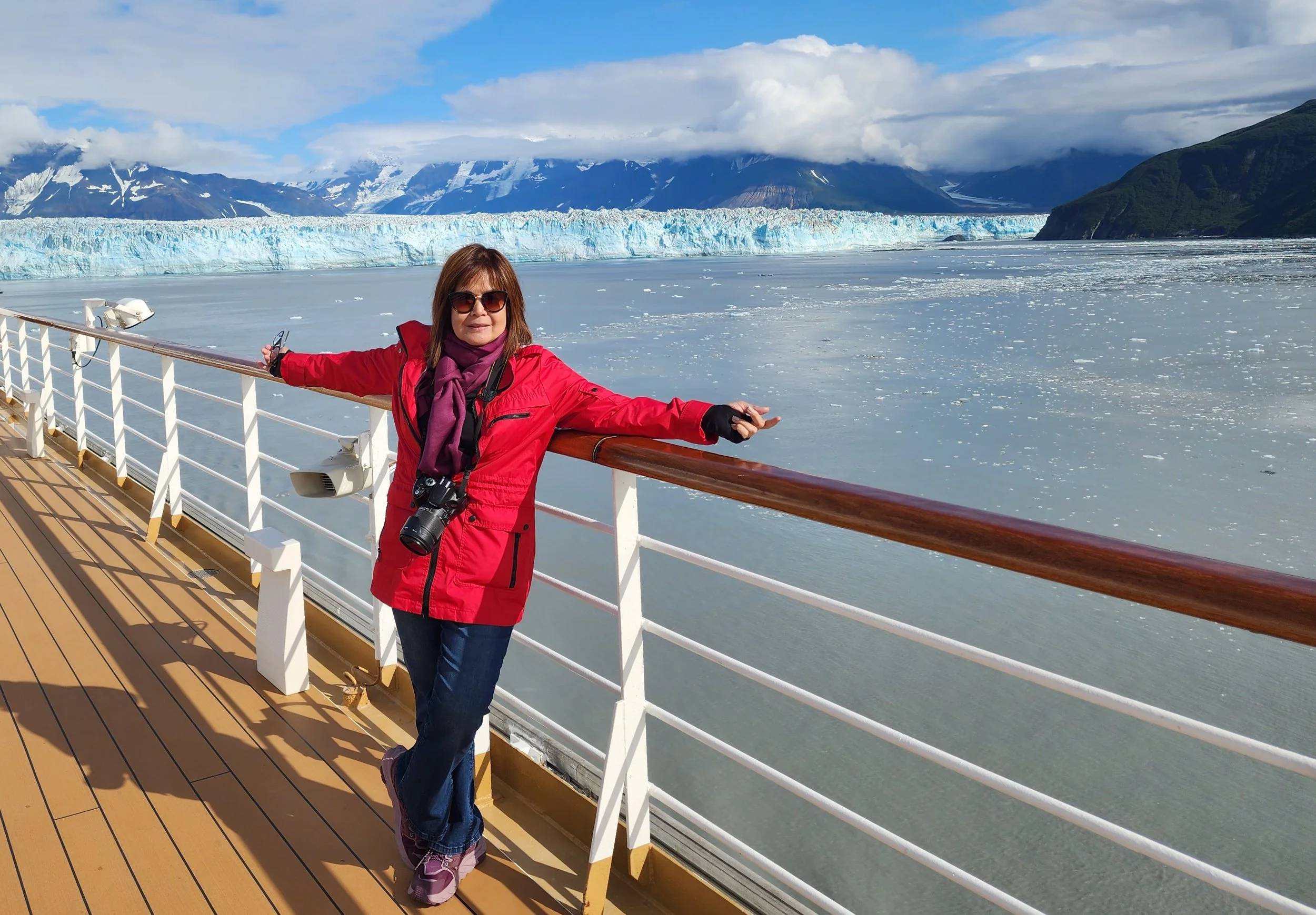
Hubbard Glacier is a tidewater glacier, meaning it flows from its source in the mountains to the sea, where it calves icebergs into the ocean.
5. Visiting Hubbard Glacier
Hubbard Glacier is a popular tourist destination, with many cruise ships and tour boats visiting the area during the summer months. Visitors can witness the glacier’s impressive size, active calving, and beautiful blue ice up close. In addition to boat tours, visitors can explore the surrounding national parks for hiking, wildlife viewing, and other outdoor activities. The best part is that cruise ships can get within half a mile of the face of the glacier! Giving you the perfect view of the glacier calving, which happens about every fifteen to twenty minutes during the summer.
6. Importance of Hubbard Glacier
Hubbard Glacier serves as an essential source of fresh water for the surrounding ecosystems, supporting a diverse range of plant and animal life. Its unique behavior of advancing rather than retreating provides valuable information for scientists studying climate change and glacial dynamics.
Conclusion
Hubbard Glacier is a breathtaking natural wonder that showcases the power and beauty of nature. Its impressive size, active calving, and unique advancing behavior make it a fascinating subject for both tourists and scientists alike.
As a vital source of fresh water and a popular tourist destination, Hubbard Glacier is crucial in supporting the surrounding ecosystems and local economy. By learning more about this incredible glacier and its importance, we can better appreciate and protect the natural wonders that our planet has to offer.
Sailing towards Hubbard Glacier is also quite an experience since while navigating through Disenchantment Bay, you will see 5 of the 10 tallest mountain peaks in all of North America.