
Must Try Food In Alaska
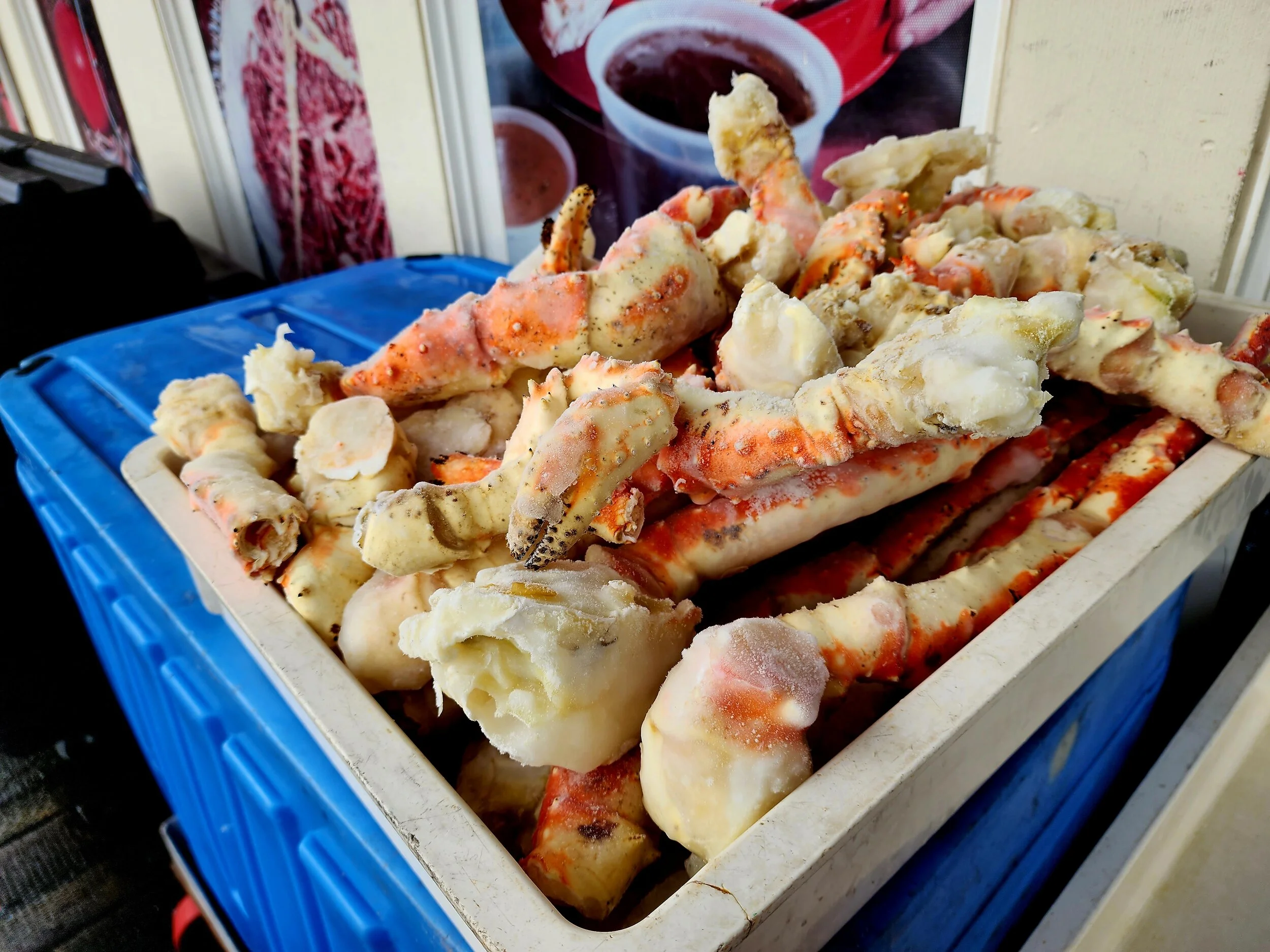
Wild caught King crab offers a mild delicate yet flaky.
SEAFOOD
Alaska is one of the last, best places in the world to sample—and savor—wild-caught seafood. And, with strict federal and state management ensuring sustainable harvests, this dining experience is guilt-free. Alaska salmon, in particular, is abundant and healthy, if not an outright “superfood.”
Sockeyes are Alaska’s go-to meat fish—the most commercially important salmon in Alaska, with 20 million to 30 million of the 4- to 10-pounders caught each year. Thousands of Alaskans and visitors target sockeyes with rod-and-reel and personal-use nets.
Sockeyes are rich and meaty, with a firm red flesh and a medium flavor that’s filling and satisfying. An Alaska staple for summer backyard grilling over open flames, they can also be baked, poached, seared, and smoked, with leftovers used in chowders, soups, cakes, and salmon salad.
PACIFIC HALIBUT
Dine on the flavors of the Alaskan seas.
This Alaskan staple is the region's most popular deep-sea sport fish and an important commercial catch. Pacific halibut usually feed on the ocean bottom in relatively deep water and range from 20-pound “chickens” to 100-pound-plus “barn doors.” As adults, they have eyes on one side of the head (almost always on the right) with a white belly and a gray-greenish top.
The white, flaky meat has a delicate flavor and makes for excellent eating. They're served grilled, seared, and baked; they come cooked in sauces and within chowders. For a particularly fun meal, try halibut deep fried in beer batter—basically Alaska’s version of boardwalk fish-and-chips. If you’re a purist, go for an expertly grilled fillet that's lightly seasoned. It can be as good as it gets.
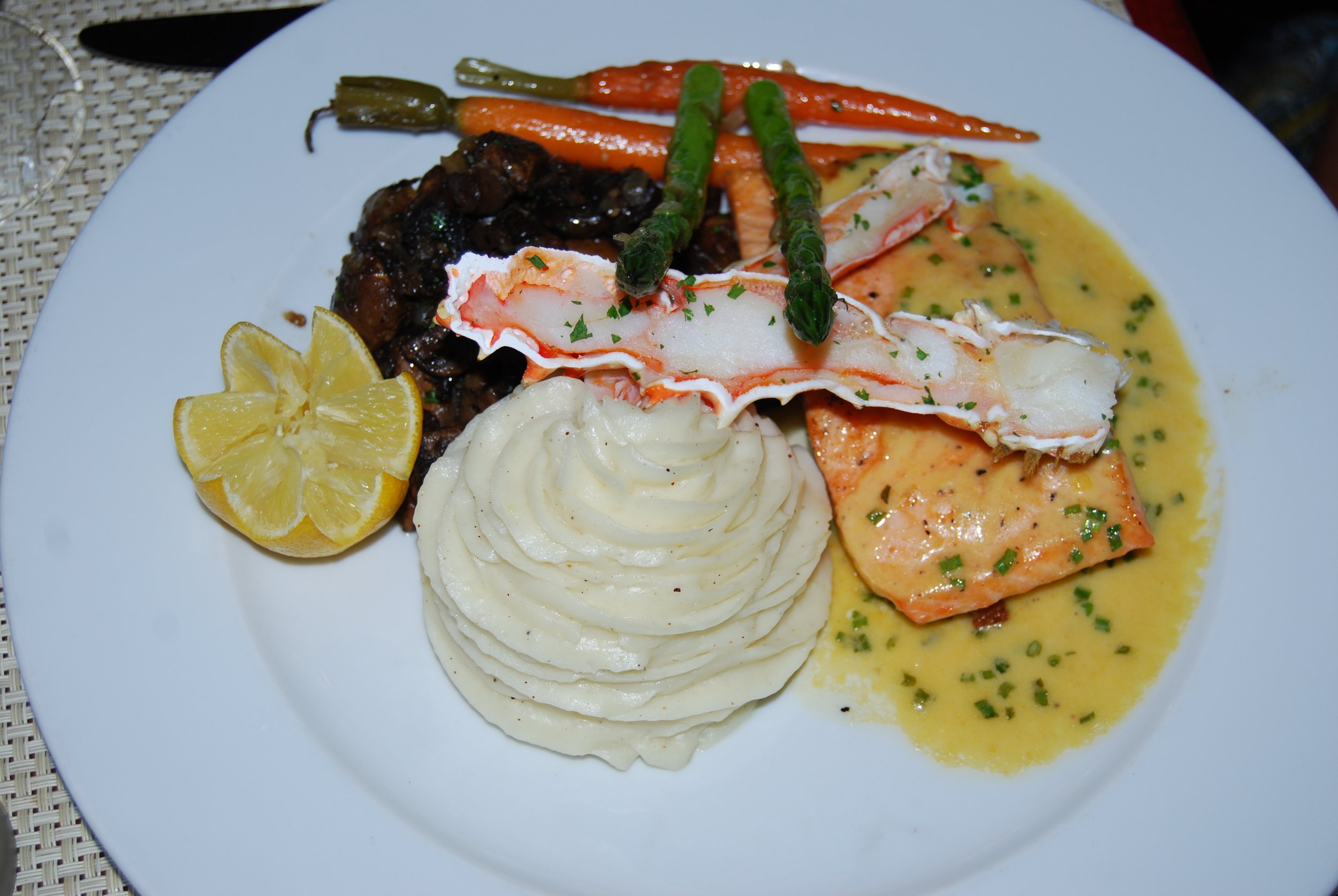
With seafood caught fresh daily, visitors can expect unparalleled quality and flavor.
KING CRAB
Don't miss out on delicious Alaskan crab.
Alaska king crabs are an authentic world-class delicacy, not to be missed. They're harvested with pots from the deep waters of the Bering Sea and Southeast Alaska, often with some risk and significant expense. The three commercial species—blue king crab, red king crab, and golden king crab—are 10-legged crustaceans that scavenge and hunt across the sea floor. They sport a pair of large claws (the right one is usually biggest) and three pairs of powerful legs with meat within the shells. After cleaning, the crabs are steamed and then served broken in half or with the large legs and claws as separate pieces.
Dinning can be an adventure! You must open the stiff shells with nutcrackers or mallets, and then dig out the meat with special forks. The meat is tender and sweet, with a hint of brine, with the tastiest morsels found in the claws and legs rather than the body. Dip each bite in melted butter to complete the experience.
DUNGENESS CRAB
Dungeness crab in Alaska is simply delectable.
The most widely caught crab in Alaska, Dungeness live in relatively shallow near-shore waters and estuaries from the Gulf of Alaska through Southeast on down the coast, all the way to Mexico.
Smaller than king crab, (and often half as expensive!) dungeness are true crabs, with four legs for traveling and a pair of pinching claws up front. They're targeted both by Alaskans for personal or subsistence use, and by commercial operators.
Wild-Caught Shrimp and Scallops
Don't skimp on Alaska's shrimp!
What do two species of Alaska shrimp and one Alaskan bivalve have in common? They're uncommonly sweet when eaten fresh! Don’t pass them up if they appear on menus during spring to fall seasons, or on sale in grocery stores or seafood specialty shops. These deliver a very different epicurean experience than you’ll get from frozen shrimp or scallops you find elsewhere.
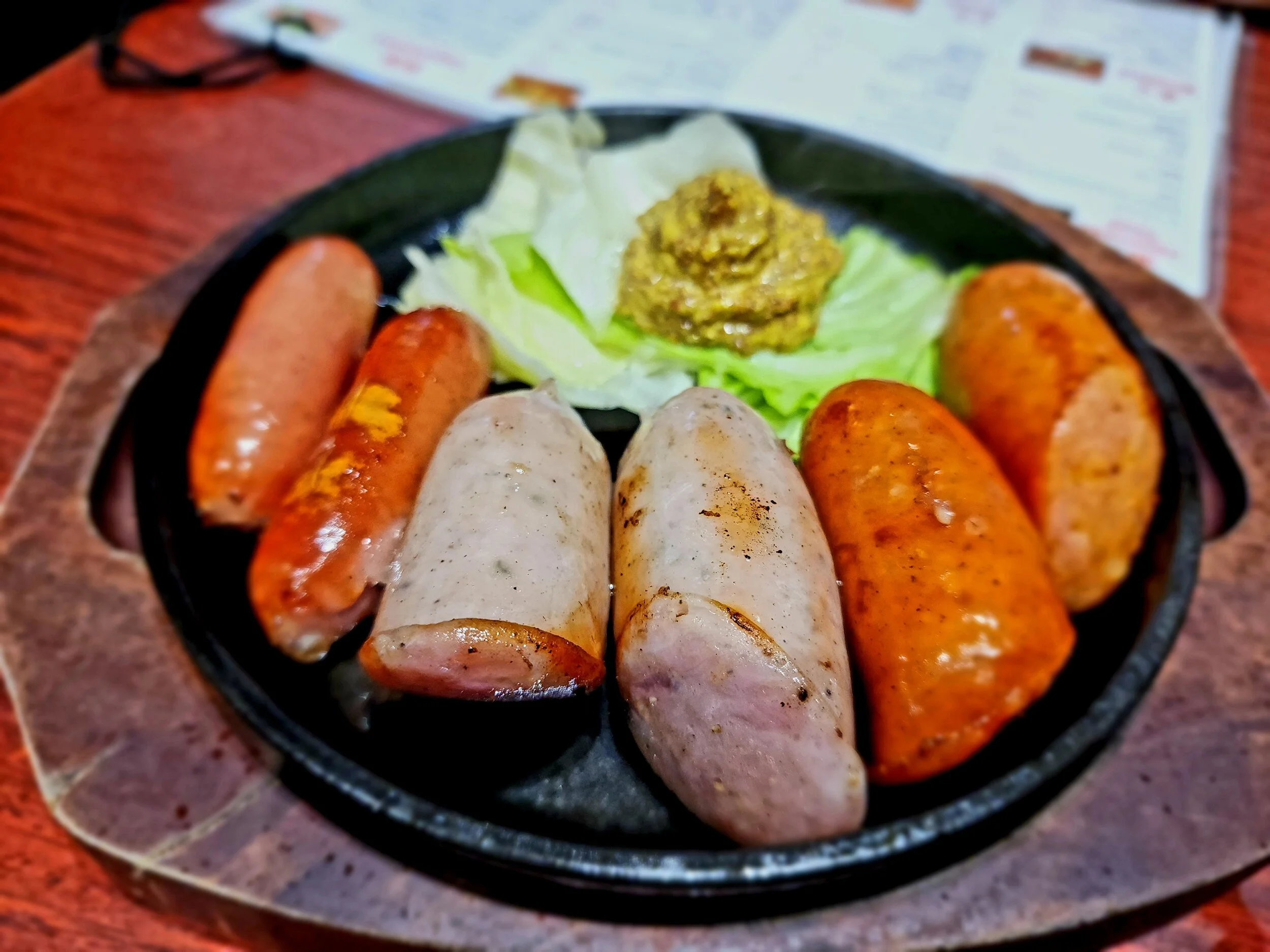
A unique and amazing treat, the Alaskan Venison Sausage is made with Venison meat, Pork and Beef and are perfect for summer barbecues.
WILD MEATS
Moose and caribou (and other traditional game meats like black bear, Sitka black-tailed deer, Dall sheep, mountain goat, and porcupine) are not harvested for commercial use in Alaska, so you won’t find them on the restaurant menu or in the meat aisle. But if you make friends with an Alaskan who hunts—and this local invites you to dinner—don’t hesitate to slip in a request. Moose, deer, caribou, and sheep can make for superb eating as steak or roasts, with a presentation as tender and rich as organic beef. They can be processed into a variety of cuts, sausages, jerkies, and stew meats.
REINDEER
Reindeer meat is authentically Alaskan.
This is a must-try Alaska experience! Essentially a domestic caribou, Alaskan reindeer are descended from stock imported from Siberia during the 1890s and can only be owned by Alaskan Natives. About 18 herders manage about 20,000 animals that forage in western and northwestern Alaska, mostly on the Seward Peninsula.
Sausage containing reindeer is on the breakfast menu of almost every full-service restaurant in the state. It has a distinctive, meaty taste reminiscent of a high-end link pork sausage. Prepared meats (usually various kinds of sausage) containing reindeer are sold in most grocery stores. Also check what’s available at Indian Valley Meats and Alaska Sausage and Seafood. Some street vendors and restaurants offer very tasty reindeer hot dogs at about twice the price of a regular dog.