
Top Wildlife To See On A Cruise To Alaska
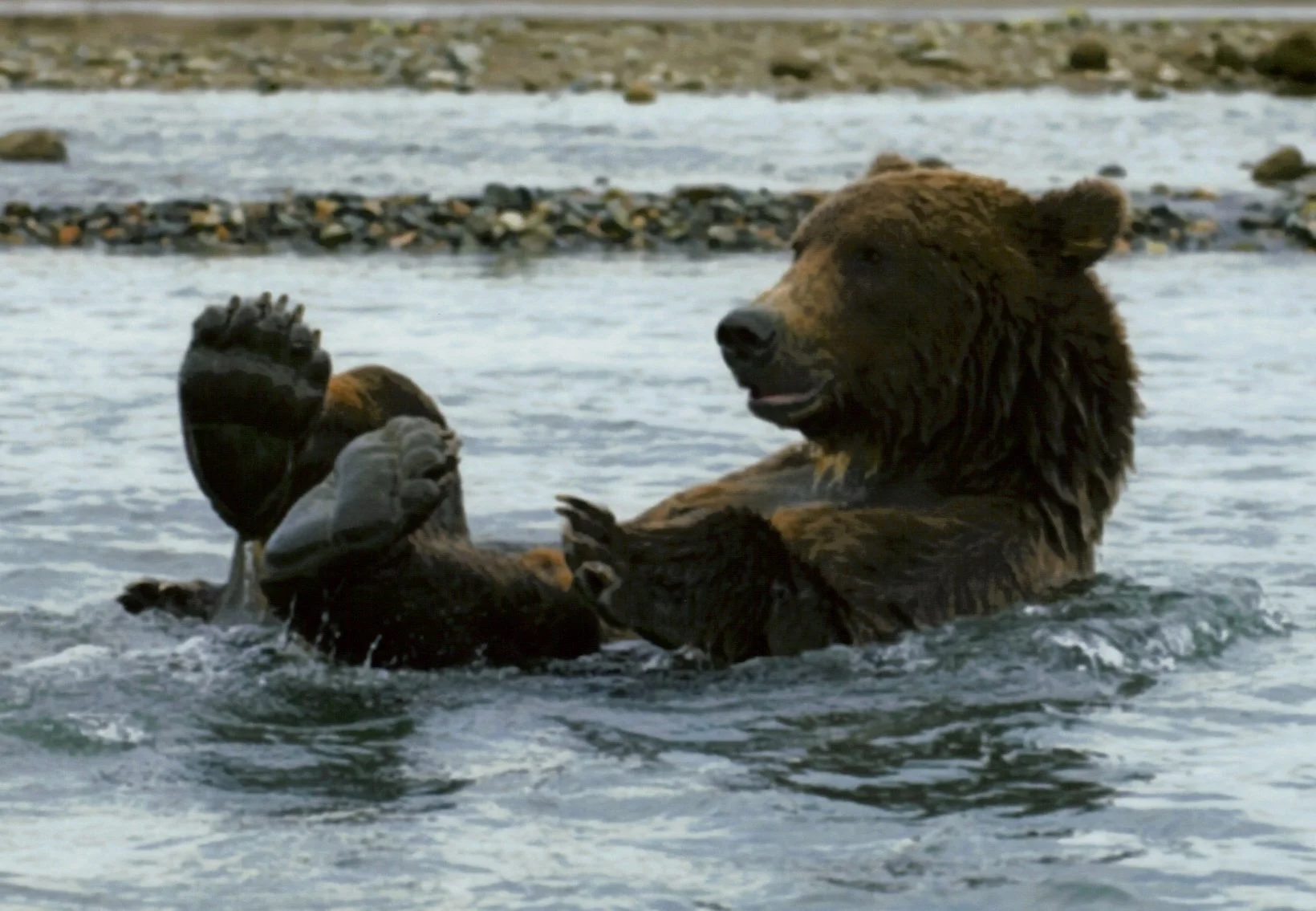
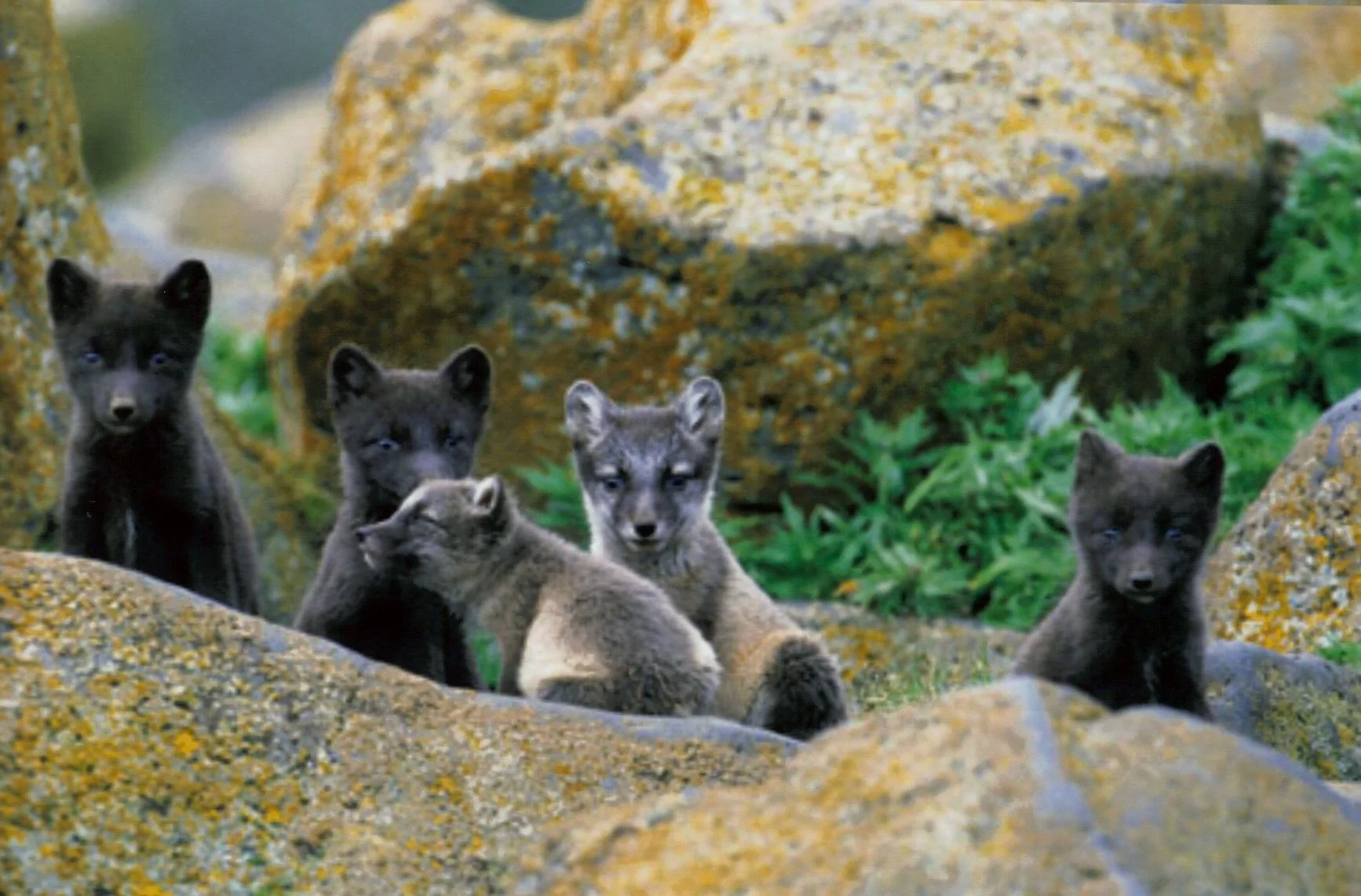
The inside passage is home to breaching humpback and orca whales, playful porpoises and roaring sea lions. Step on land for larger than life caribou, grizzly bears, and majestic bald eagles sightings. For closer observation opportunities, schedule a trip to the Alaskan Wildlife Conservation Centre.
Alaska is a treasure trove when it comes to wildlife viewing destinations. Each location offers a unique set of animals to observe, from the rugged coastlines to the sprawling tundras.
Given Alaska’s immense size and varied landscapes, covering all these incredible spots in one journey is a tall order. We’ve ventured both by land and sea multiple times to explore these destinations. In this guide, we’ve included a mix of easily reachable locations and some off-the-beaten-path spots that demand more planning.
Nestled in the stunning Alaska Inside Passage, Juneau offers prime whale-watching spots in Alaska. From May to September, humpback whales and orcas frequent the waters, offering an unforgettable spectacle.
Getting to Juneau is relatively easy, with direct flights from major cities like Seattle. Additionally, Alaska cruises are a popular way to reach Juneau while enjoying scenic views along the way. Once you’re there, you can opt for a guided whale-watching tour, which often includes other wildlife sightings like seals and sea lions. For a more independent experience, you can rent a kayak and explore the waters at your own pace.The best time for whale-watching is from late spring to early fall.
Juneau isn’t just about the sea; the nearby forests are home to black bears and bald eagles. A visit to the Mendenhall Glacier also offers the chance to see mountain goats and beavers. So, whether you’re on the water or on land, Juneau is a wildlife enthusiast’s dream come true.
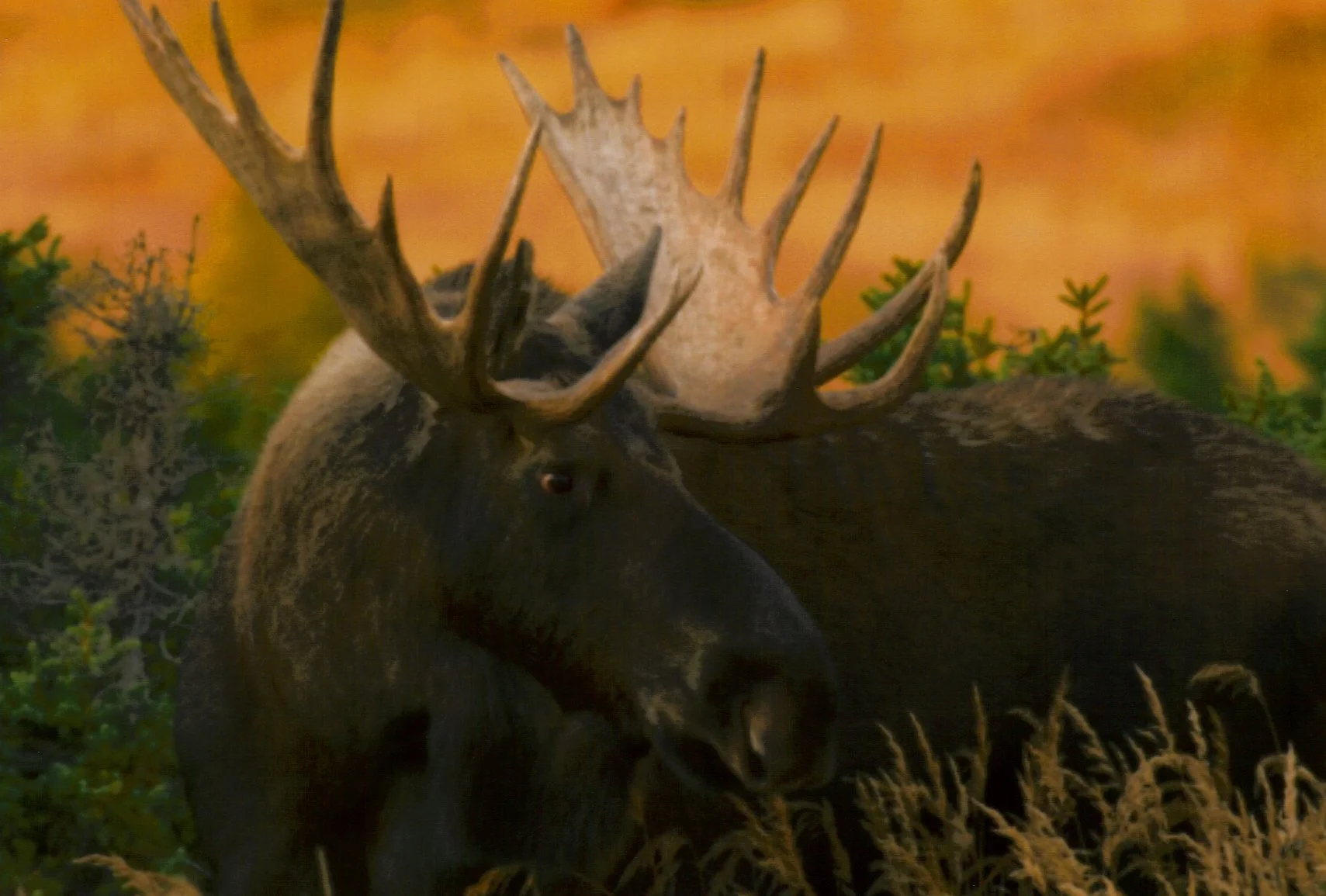
Different excursions offer chances to see various types of wildlife during an Alaskan cruise.
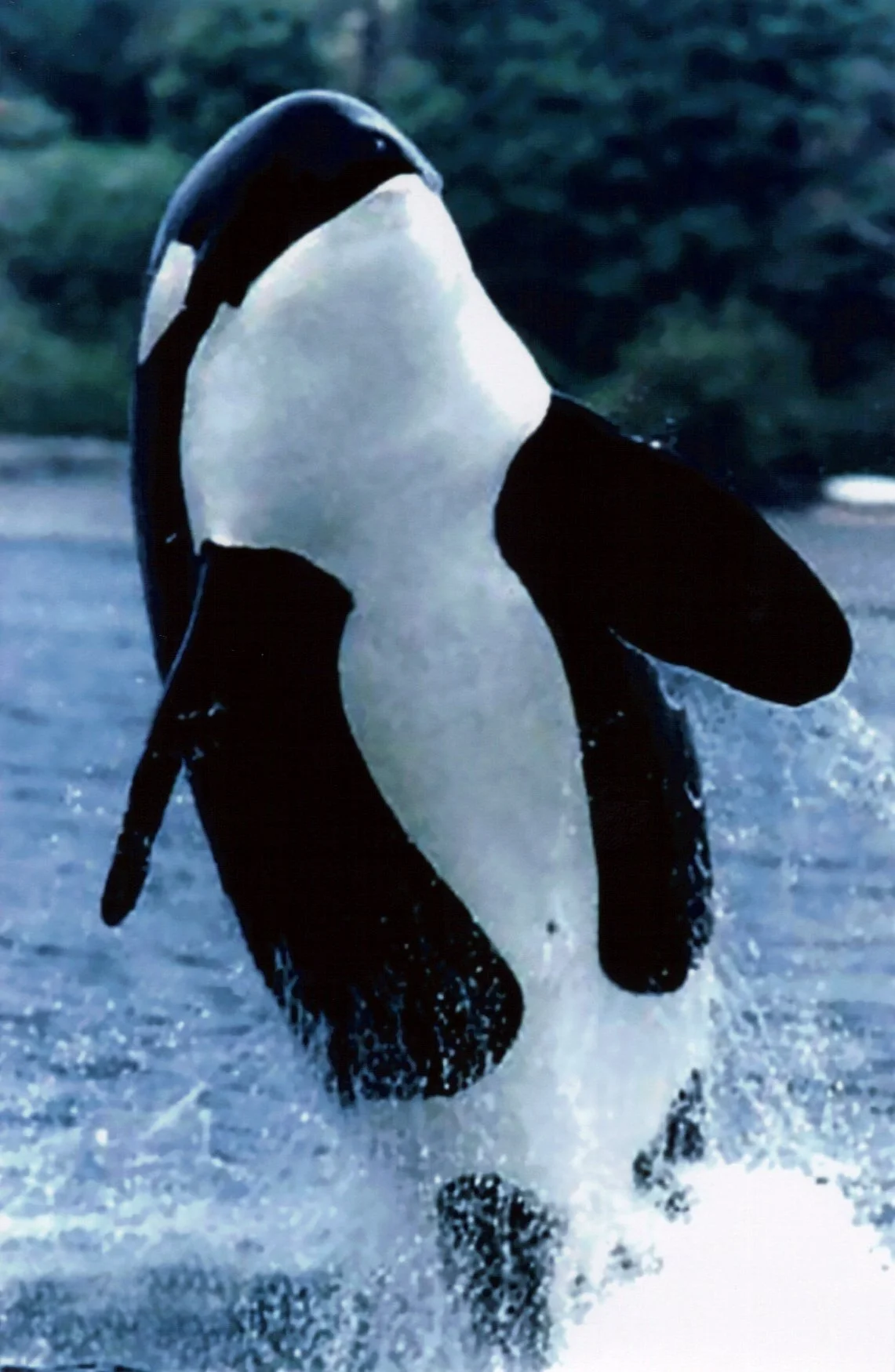
Whale -watching tours from Juneau are focused on observing humpback whales, orcas and sometimes porpoises.
Glacier Bay National Park is a hot spot for Alaska wildlife viewing. Located in the southeastern part of the state, this park is a sanctuary for a variety of marine and terrestrial animals. From humpback whales and orcas to mountain goats, the diversity is astounding.
To fully experience Glacier Bay, you have two excellent options. You can catch a flight to Gustavus, the gateway to the park, for a more direct route. Alternatively, consider embarking on an Alaska Inside Passage cruise that features Glacier Bay in its itinerary. This cruise option offers a leisurely and scenic approach, allowing you to soak in the majestic landscapes.
The best time to visit for wildlife viewing is during the summer months, from June to August. During this period, you’ll likely spot humpback whales feeding in the nutrient-rich waters and seals lounging on ice floes. On land, keep an eye out for brown bears, especially near streams filled with salmon.
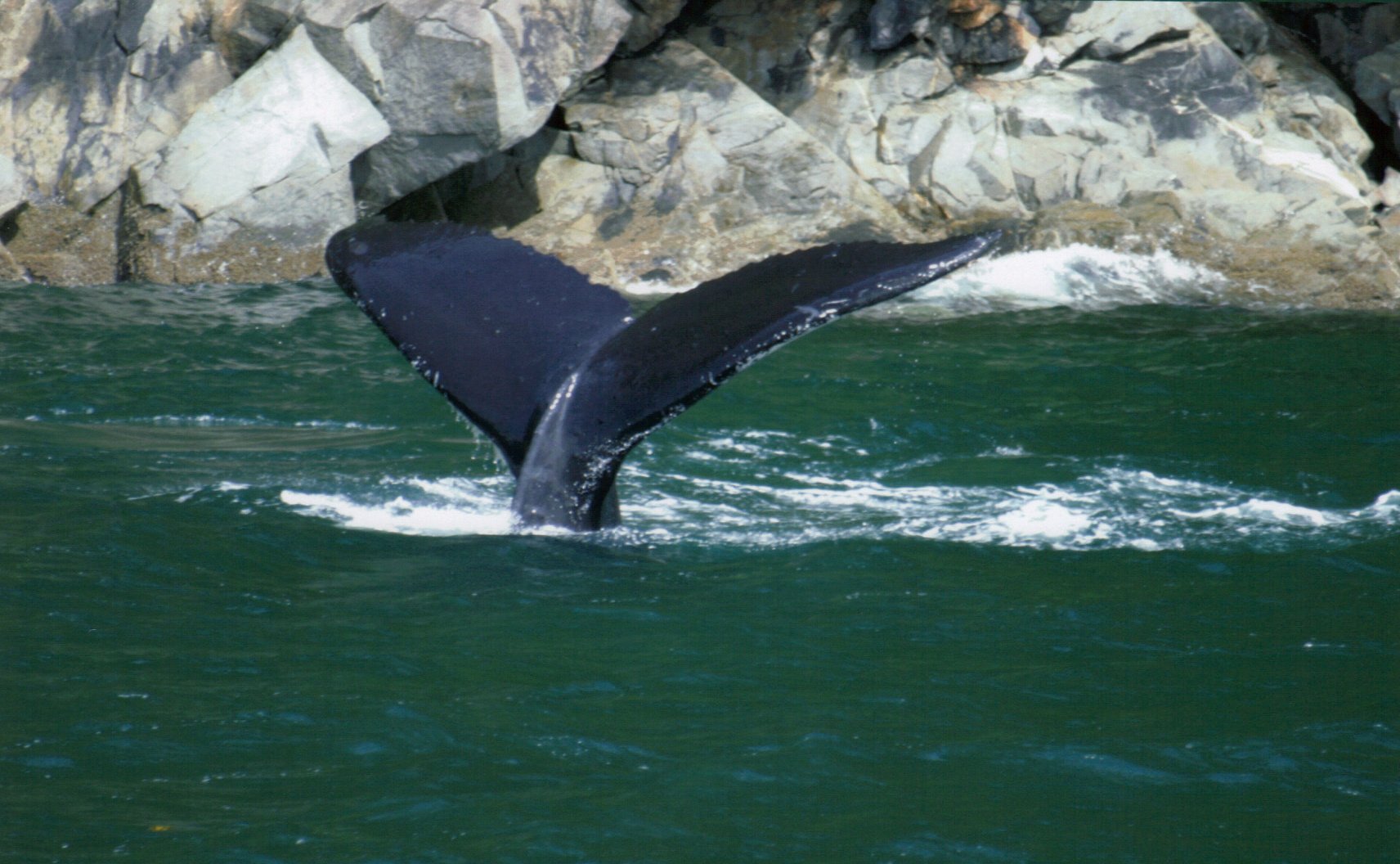
The best whale watching ports of call are typically Juneau, Icy Strait Point, and Sitka in Alaska, and Victoria, British Columbia in Canada.
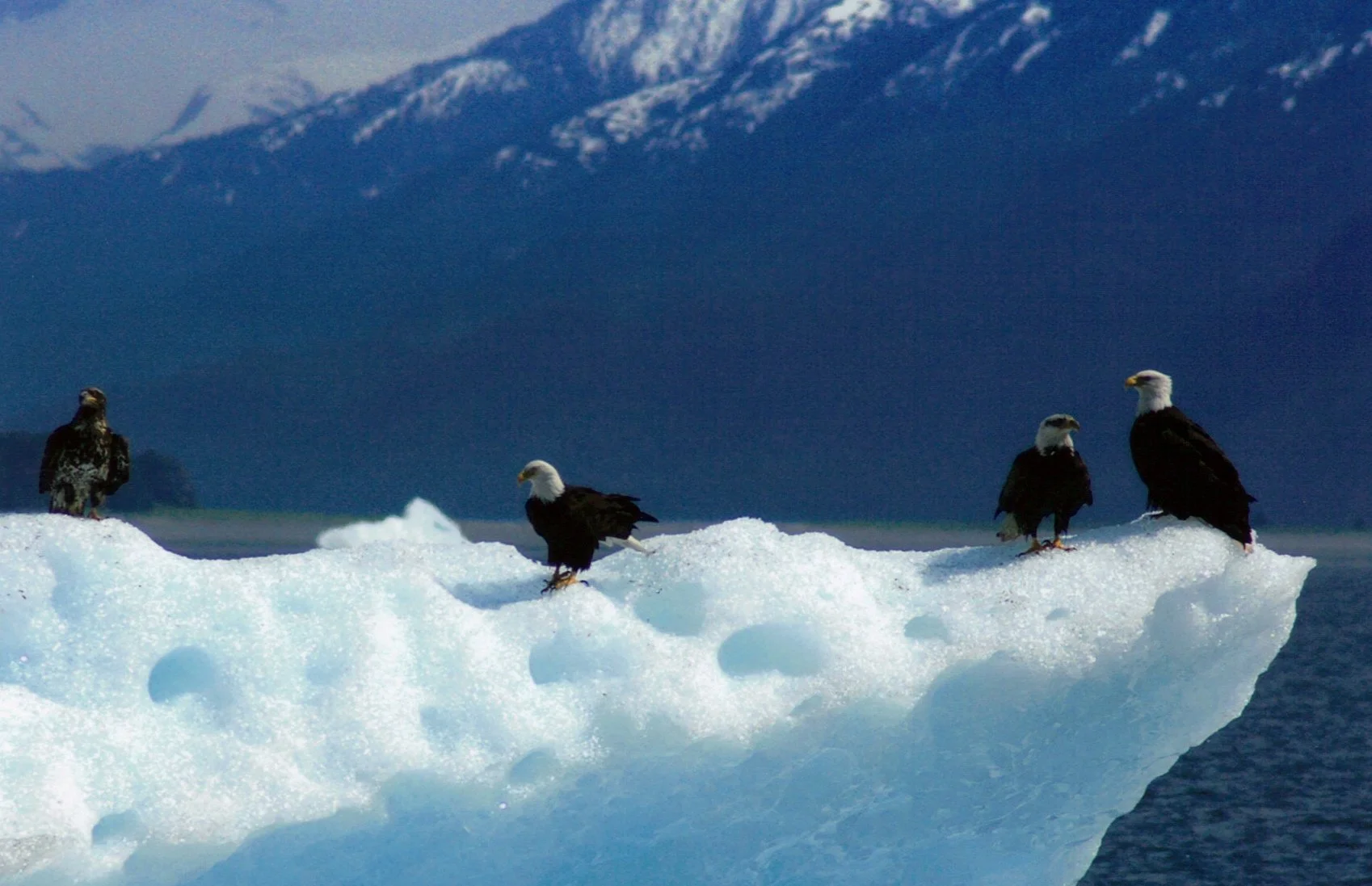
Haines is not only one of the best places to see eagles in Alaska; it is known worldwide as the eagle capital.
The Tongass National Forest, covering a staggering 16.7 million acres, is the largest national forest in the United States and a biodiversity hotspot. The forest is teeming with wildlife, from black bears and Sitka black-tailed deer to bald eagles and humpback whales. It’s one of the best places to see wildlife in Alaska, and it’s easy to get there.
The prime time for wildlife spotting in Tongass is between May and September. The forest is lush during these months, and the animals are active. For whale watching, aim for June through August.
You can access Tongass National Forest via several gateway communities, including Juneau, Ketchikan, and Sitka. These towns are well-connected by air and sea, with Alaska Inside Passage cruises offering a scenic route to the forest.
The forest offers a variety of landscapes, from glaciers and mountains to old-growth rainforests. There are numerous hiking trails, and kayaking is a popular way to explore the fjords and inlets.
So, what’s the verdict? Where should you go to see Alaska’s most iconic animals? Here are our top recommendations based on our own experiences:
Best for Bear Viewing: If you’re after bears, make a beeline for Katmai National Park and Lake Clark National Park. These parks offer some of the most intimate bear-watching experiences you can hope for.
Best for Whale Watching: Alaska’s capital – Juneau, and Kenai Fjords National Park are your go-to destinations for those eager to see the giants of the sea. The waters here are teeming with humpback whales, orcas, and more.
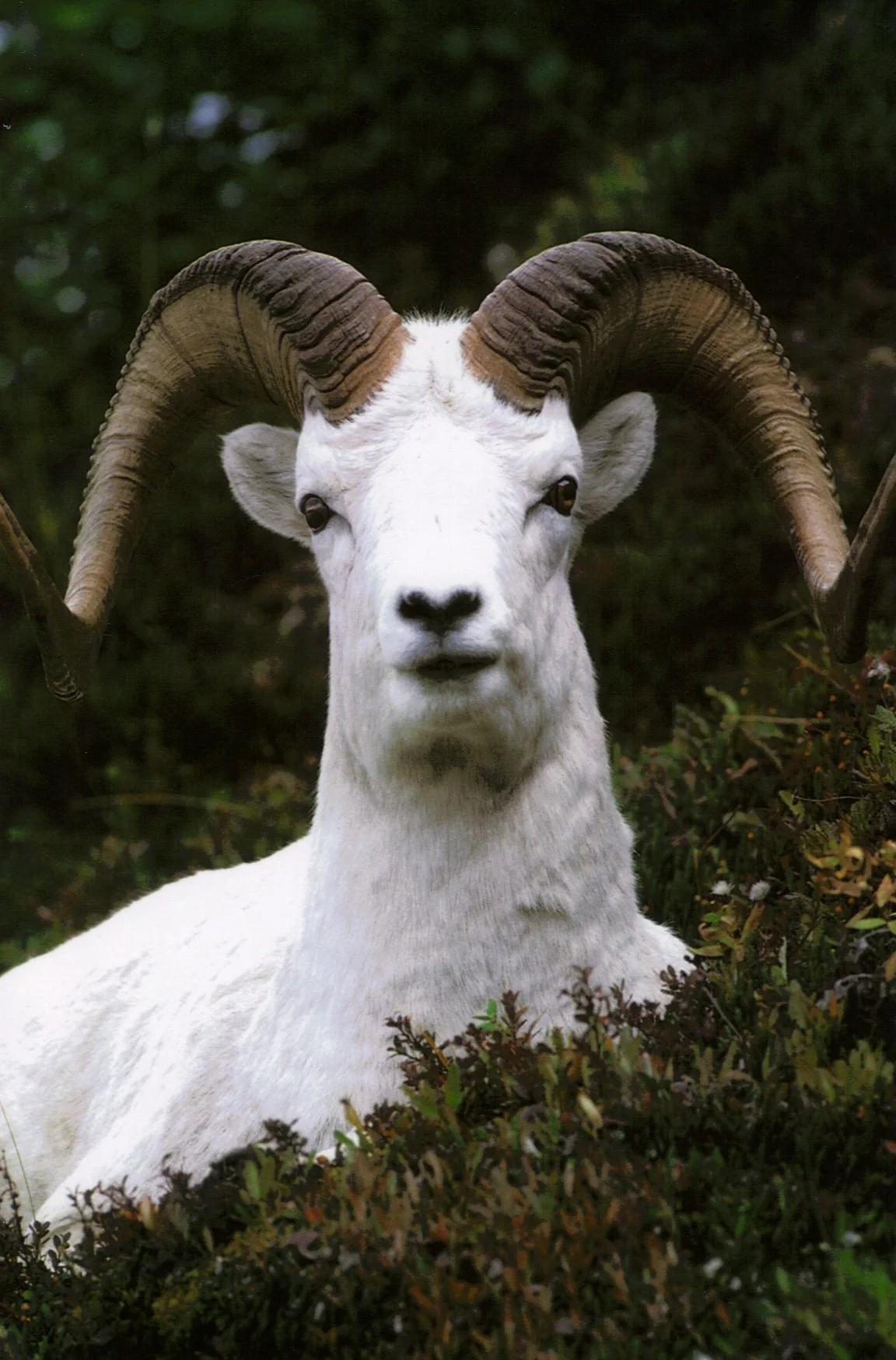
Best for Moose, Dall Sheep, and Grizzly Bears: Denali National Park is a wildlife enthusiast’s dream and a perfect spot for first-time visitors. Denali has everything from moose grazing near water bodies to Dall sheep navigating steep terrains.
Best for Bald Eagles: If the majestic bald eagle is what you’re hoping to capture on your camera, don’t miss out on Homer and the Chilkat Bald Eagle Preserve. These spots are nothing short of an eagle-watcher’s paradise.