
Unforgettable Things To Do In Sitka
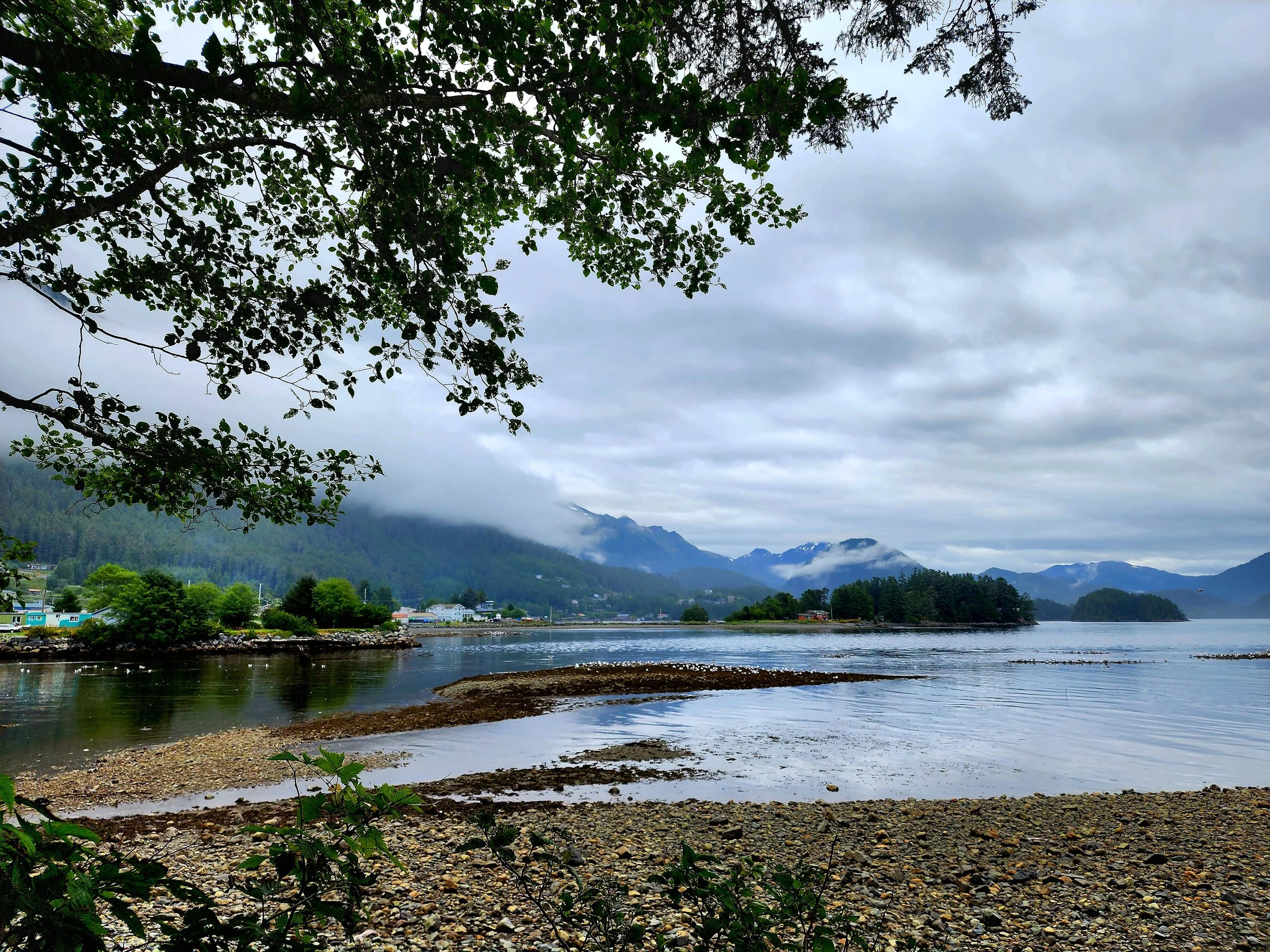
Sitka was the capital of Russian America from 1808–1867, and then the first capital of Alaska from 1867–1906.
Sitka, Alaska – a charming seaside town that boasts stunning natural scenery, fascinating history, and a unique blend of Tlingit and Russian cultures. Located on Baranof Island, Sitka is a popular destination for outdoor enthusiasts, history buffs, and those looking for a relaxing getaway. Sitka is a cultural jewel of the Last Frontier.
Sitka is a small, artistic community of around 9,000, with a thriving Native culture and a deep connection to the wilderness that surrounds the town. The Tlingit have fished and lived here for more than 10,000 years, their peaceful existence disturbed in 1799 by the arrival of Alexandr Baranov, who founded a town here to exploit the pelts of sea otters. After various skirmishes, a fierce battle in 1804 drove the Tlingit back to the forest, and Sitka became a permanent Russian fort called Novoarkhangelsk, or New Archangel.
Just across the water from snowcapped Mount Edgecumbe, Sitka displays its brilliant history. Tourists will find the onion-domed Russian Orthodox cathedral reminiscent of its czarist past. The charming town is known for its picturesque views and thriving fishing industry.
Sitka is a hidden gem that offers something for everyone. Whether you're interested in history, outdoor adventures, or simply relaxing in a beautiful setting, Sitka is a must-visit destination. From visiting cultural heritage sites to kayaking amongst a pod of whales to hiking in tranquil forests, Sitka offers an adventure for every traveler.
Like other towns along the Inside Passage, Sitka is surrounded by natural beauty and is a prime location for spotting wildlife. The town lies on the 100-mile-long Baranof Island, only accessible by air or sea, and covered by the dense Tongass Forest. The combination of Sitka's stunning landscapes, rich history, and unique culture makes it a must-visit destination on any Alaska cruise itinerary.
A Russian Capital
Sitka’s rich history spans thousands of years, and the city is an important ancestral home to the Tlingits, the original inhabitants of Southeastern Alaska. In 1741, Russian explorer, Alexei Chirikov arrived, and the Tlingits isolated island was quickly occupied by Russian traders. The Russian-American Company established a trading post in 1799, and in 1804, Sitka became the capital of Russian America.
In 1867, the United States purchased Alaska from Russia, and Sitka remained the capital until 1906, when the capital was moved to Juneau. During World War II, Sitka was a major center for military activity and served as a base for the United States military. After the war, the city began to grow as a commercial and fishing center.
Today, Sitka is a thriving community of approximately 9,000 people, and is home to a number of cultural attractions and landmarks, including the Sitka National Historical Park, the Russian Bishop's House, and St. Michael's Cathedral. The city's economy is largely based on fishing and tourism, and offers an exciting adventure for everyone who visits its beautiful shores.
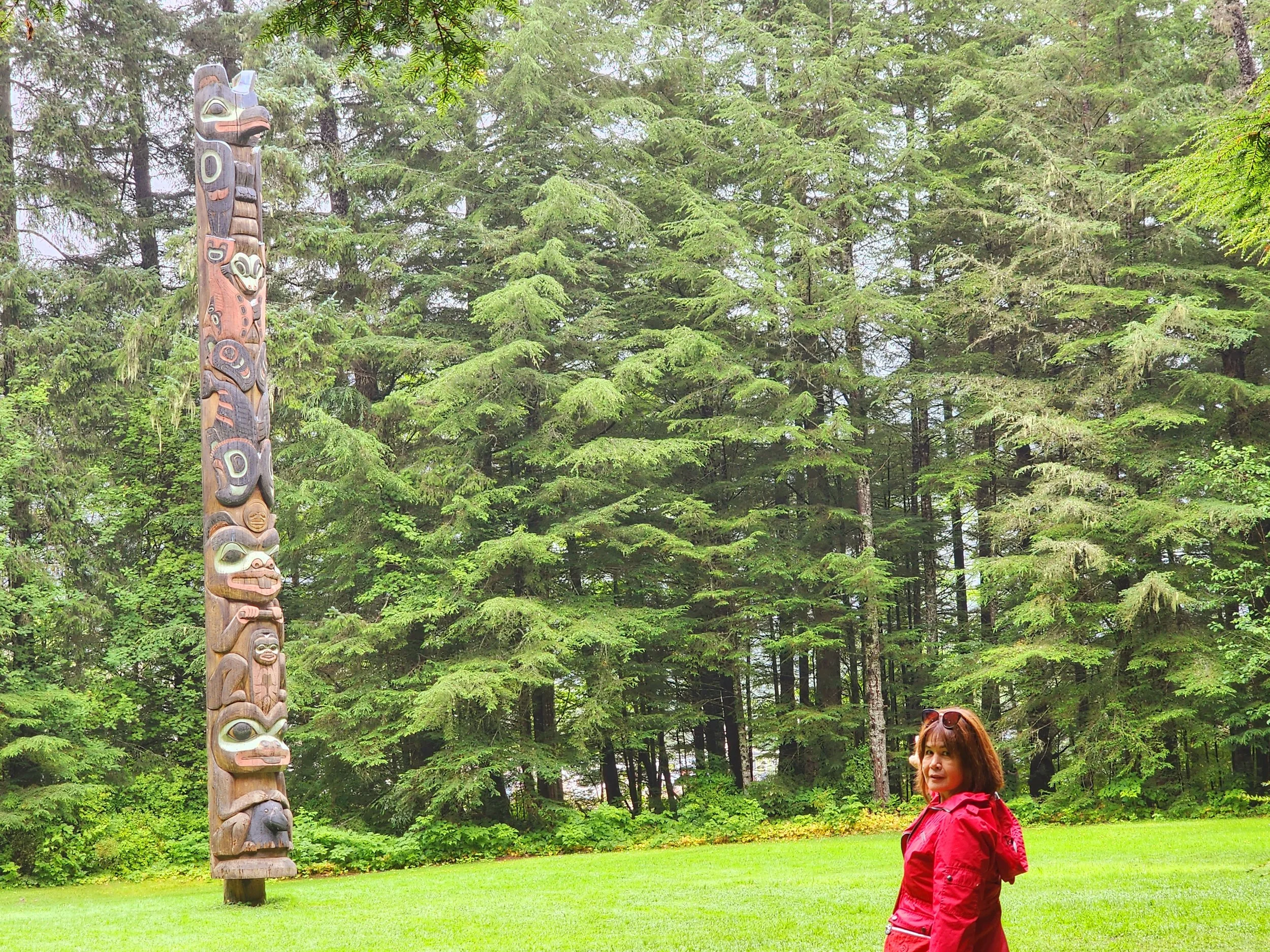
Sitka National Historical Park incorporates a number of sites around town, but make sure to spend some time at the main area of the park with the visitor center.
Transportation in Sitka
Sitka has an effective public transportation system called the RIDE, which operates three routes covering the downtown area. The city center is compact, though, and most of the major sights can be reached on foot. Mountain bikes and e-bikes are also available for day rental. There are a couple of local taxi companies, but you should book in advance. Car rental is available, too.
Why You Should Visit
From its rich history to its stunning natural scenery and abundance of wildlife, Sitka has something to offer for everyone. Visitors can explore the Sitka National Historical Park and learn about the area's Tlingit and Russian heritage, or take a guided tour of the city's many cultural and historic landmarks.
Outdoor enthusiasts can take part in activities such as kayaking, fishing, and hiking, while wildlife lovers can observe whales, sea otters, and bald eagles in their natural habitat. With its unique blend of history, culture, and natural beauty, Sitka is a must-see destination for anyone visiting Alaska.
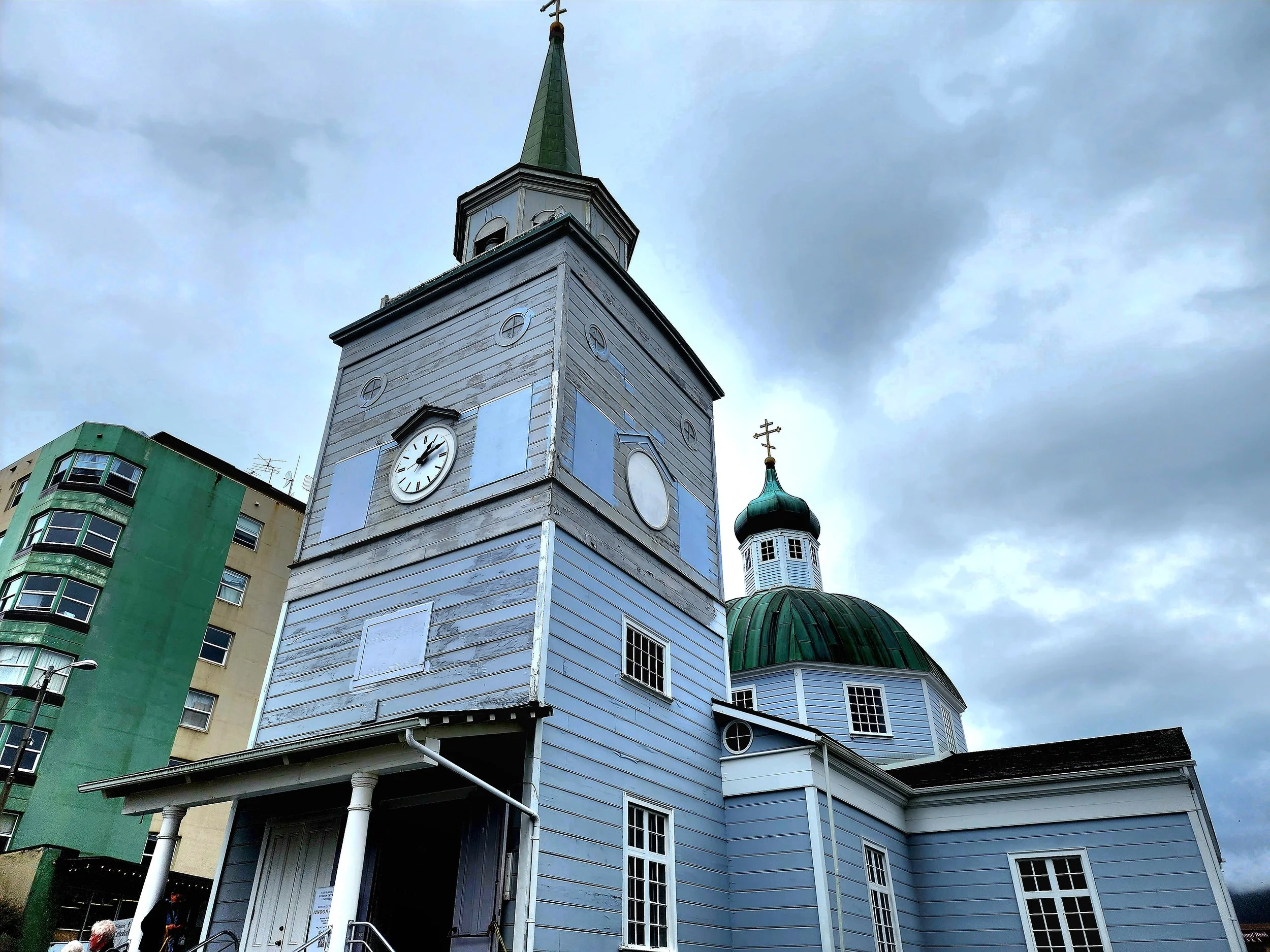
A majestic Russian Orthodox cathedral was built on this site between 1844 and 1848 and stood for more than 100 years until it was destroyed in a fire in 1966.
What to See and Do
While there are plenty of trails and outdoor activities to keep you busy for weeks, a visit to Sitka is not complete without hitting some of the top attractions. Here’s a rundown of top things to do when visiting Sitka, Alaska:
Explore the Sitka National Historical Park
This park iAlaska’s smallest national park is also the site where the Tlingits were defeated by invading Russians in 1804. A peaceful place today, the park is dense with mature spruce and hemlock. It’s the perfect setting for the original totems created by Tlingit artists, each piece telling a story.s dedicated to the history and culture of the Tlingit people and features a collection of totem poles, a visitor center with exhibits, and a nature trail. Be sure to take your time walking through the park to read about the Tlingit culture and how Sitka’s original inhabitants still preserve their way of life today.
St. Michael’s Orthodox Cathedral
A majestic Russian Orthodox cathedral was built on this site between 1844 and 1848 and stood for more than 100 years until it was destroyed in a fire in 1966. Until then, the church was Alaska’s oldest religious structure, dating back to the Russian era. Luckily, many priceless icons and other treasures were saved, and a replica of the historic church, complete with its distinctive green domes and golden crosses, was built by the citizens of Sitka.
Visit the Russian Bishop's House This historic building was once the home of the Russian Orthodox Bishop and is now a museum that showcases the history of the Russian-American Company and its impact on Sitka. Add this to your list during a rainy day or to learn more about the fascinating history of the area.
Stroll through downtown Sitka: Downtown Sitka is full of unique shops, restaurants, and galleries, and is the perfect place to get a taste of local culture. Stop in one of the cafes for a warm drink on a cool morning or swing by the brewery for an afternoon brew.
Whale Park
Sitka’s Whale Park is a wonderful place from which to spot whales from dry land. A boardwalk runs through the park with ocean views and a hydrophone which visitors can use to listen to whalesong. Various species of whale can be seen here throughout the summer season, as well as bald eagles, sea lions, harbor seals, and sea otters.
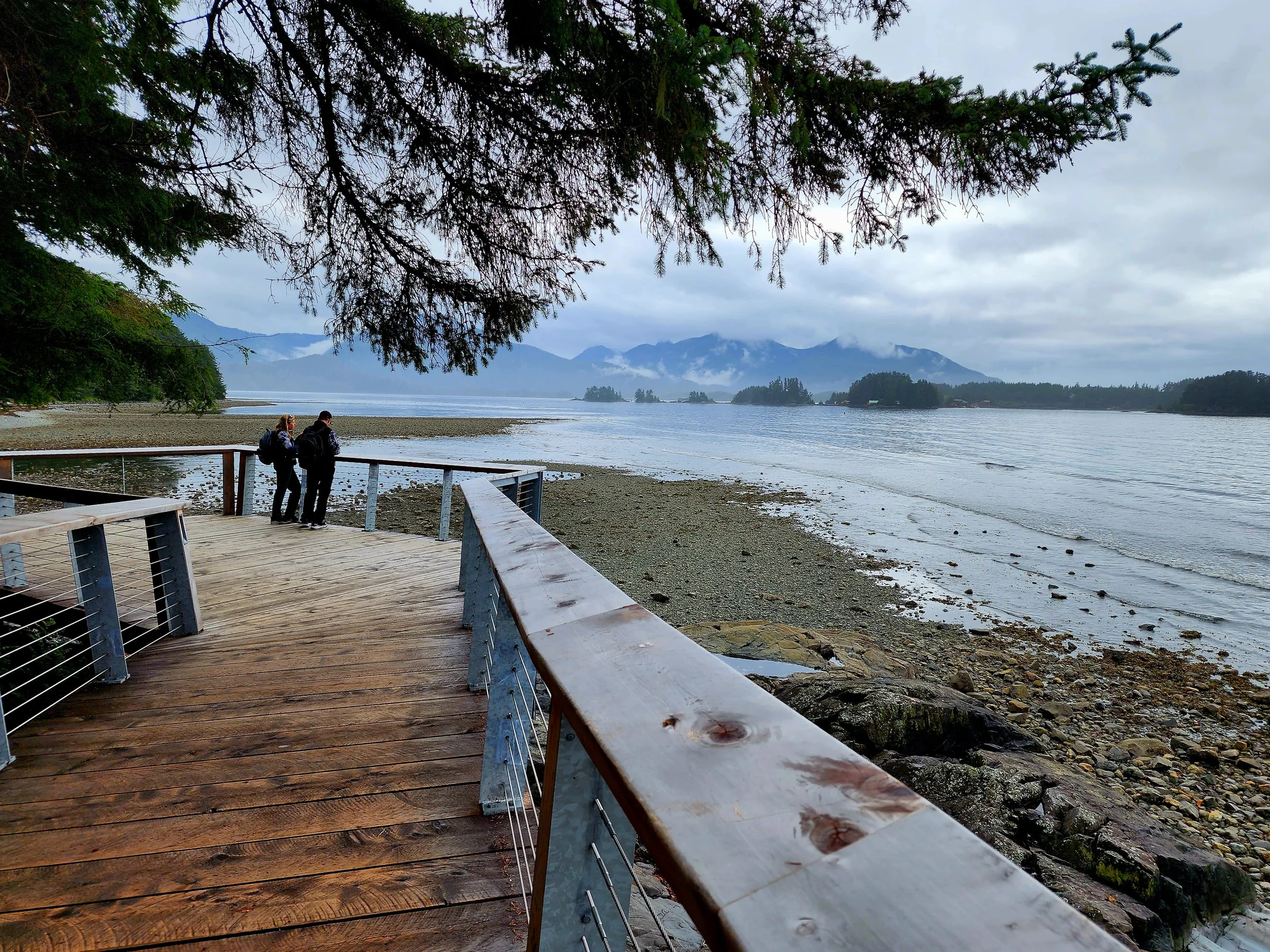
The protected bays and endless islands upon islands around Sitka make it an ideal kayaking location.
Go on a wildlife tour: Sitka is home to an abundance of wildlife, including humpback whales, sea otters, and bald eagles. Visitors can take a guided tour to see these amazing creatures in their natural habitat through a variety of tour operators found at the harbor. Whales can be sighted throughout the summer, and marine mammals are found throughout the year.
Visit the Sitka Sound Science Center: This educational center offers interactive exhibits and programs focused on the marine and terrestrial ecosystems of the Sitka Sound region. This is a great option in case you have a few days of rain or want a rest from long days out on the water.
Take a kayaking tour: Sitka's stunning natural scenery can be best experienced by kayak. Visitors can take a guided tour to explore the area's waterways and observe local wildlife along the tree-lined banks. Keep a sharp eye out for fishing eagles or rafts of sea otters.
Hike the Mt. Verstovia Trail: This challenging but rewarding trail offers stunning views of Sitka Sound and the surrounding mountains. Pack some water, a couple layers of clothes, snacks, bear spray, and a map, and you are ready to go! The trail is around 4.5 miles out-and-back, and is considered challenging. Plan to spend at least 5 hours out on the hike, and pack plenty of layers and bear spray.